 SDG 2 — ขจัดความหิวโหย
 SDG 15 — การใช้ประโยชน์จากระบบนิเวศทางบก
พื้นที่สาธิตเกษตรยั่งยืน 10 ฐานการเรียนรู้ครบวงจร
บริบทและเหตุผล
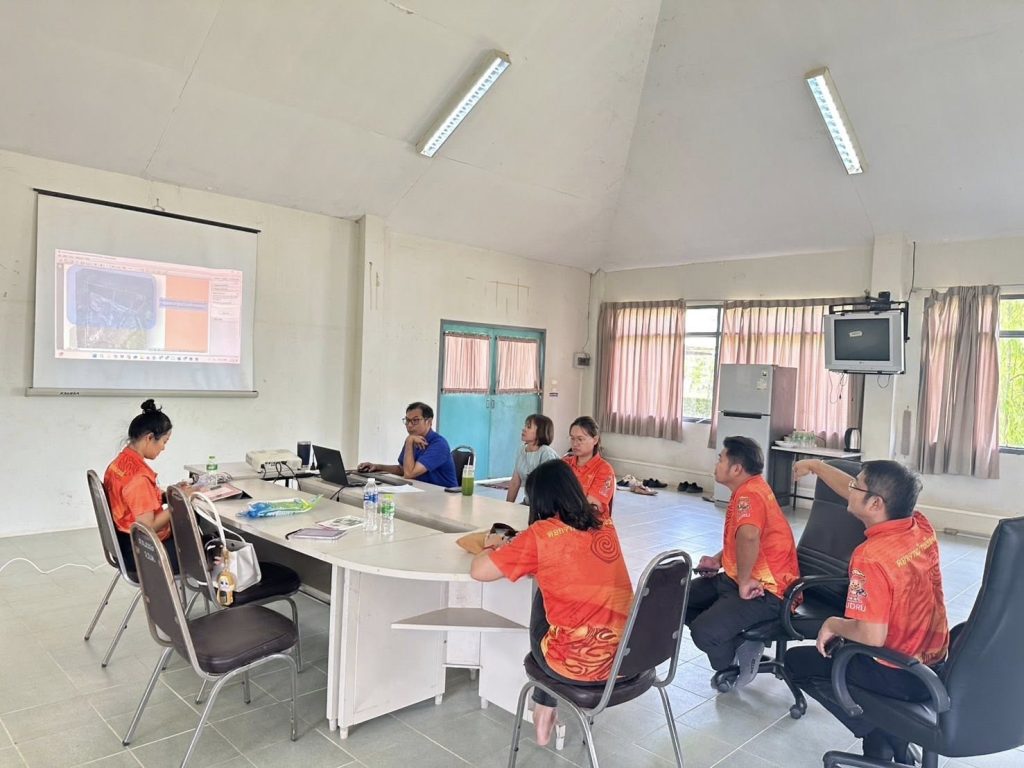
การดำเนินงานในครั้งนี้คือโครงการพัฒนาพื้นที่สาธิตด้านการเกษตรเพื่อการผลิตที่ยั่งยืนและเป็นมิตรต่อสิ่งแวดล้อม ภายใต้โครงการศูนย์อนุรักษ์และจัดการพื้นที่ชุ่มน้ำภาคตะวันออกเฉียงเหนือ มหาวิทยาลัยราชภัฏอุดรธานี ซึ่งจัดประชุมและขับเคลื่อนคณะทำงานเมื่อวันที่ 1 พฤษภาคม 2568 ณ วิทยาลัยนวัตกรรมแห่งบึงกาฬ โครงการนี้จัดขึ้นโดยมีเหตุผลความจำเป็นในการสร้างศูนย์กลางการเรียนรู้ด้านการเกษตรยั่งยืนและการจัดการสิ่งแวดล้อมพื้นที่ชุ่มน้ำ มุ่งเน้นการส่งเสริมเทคโนโลยีทางการเกษตรที่เป็นมิตรต่อสิ่งแวดล้อม การเพิ่มมูลค่าผลผลิตทางการเกษตร การอนุรักษ์พืชสมุนไพรท้องถิ่น และการใช้พลังงานสะอาด เพื่อให้เกษตรกร ชุมชน และผู้สนใจสามารถนำองค์ความรู้ไปประยุกต์ใช้ในการสร้างอาชีพ เพิ่มรายได้ และสร้างความมั่นคงทางอาหารควบคู่กับการรักษาระบบนิเวศอย่างยั่งยืน
กิจกรรมและการดำเนินงาน
เมื่อวันที่ 1 พฤษภาคม 2568 คณะทำงานได้ประชุมวางแผนและเปิดดำเนินงานพื้นที่สาธิตการเกษตรครบวงจรซึ่งประกอบด้วย 10 ฐานการเรียนรู้ ได้แก่
1) ฐานพืชปทุมา
2) ฐานการปลูกพืชมูลค่าสูงในโรงเรือน (เมล่อน)
3) ฐานการปลูกและขยายพันธุ์พืชในกระถางเพื่อสร้างรายได้ (ฝรั่งหงเป่าสือ แก่นตะวัน มะละกอ)
4) ฐานการปลูกพืชสมุนไพรท้องถิ่น (มะแป่ม สิรินธรวัลลี ผักหวานป่า)
5) ฐานการทำปุ๋ยจากมูลไส้เดือน
6) ฐานการเลี้ยงผึ้ง
7) ฐานการเพาะเลี้ยงสัตว์น้ำ
8) ฐานการทำปุ๋ยหมักแบบไม่พลิกกลับกอง
9) ฐานการทำสารชีวภัณฑ์
10) ฐานพลังงานทดแทนจากแสงอาทิตย์ กิจกรรมทั้งหมดมุ่งเน้นการสาธิต ถ่ายทอดเทคโนโลยี และการฝึกปฏิบัติการจริงเพื่อระบบเกษตรหมุนเวียนและปลอดภัย
ภาคีเครือข่ายความร่วมมือ (หุ้นส่วน)
ความสำเร็จของการพัฒนาพื้นที่สาธิตการเกษตรยั่งยืนในครั้งนี้ เกิดจากการบูรณาการความร่วมมือภายในและเครือข่ายวิชาการ นำโดย วิทยาลัยนวัตกรรมแห่งบึงกาฬ มหาวิทยาลัยราชภัฏอุดรธานี (ประกอบด้วย คณาจารย์ คณะทำงาน และนักวิจัย) ทำงานร่วมกับ โครงการศูนย์อนุรักษ์และจัดการพื้นที่ชุ่มน้ำภาคตะวันออกเฉียงเหนือ ตลอดจนกลุ่มเกษตรกร ชุมชนท้องถิ่น และผู้มีส่วนได้ส่วนเสียในพื้นที่จังหวัดบึงกาฬและภูมิภาคภาคตะวันออกเฉียงเหนือที่ร่วมเข้ามาใช้นวัตกรรมและขับเคลื่อนศูนย์การเรียนรู้แห่งนี้
ผลผลิตจากโครงการ
จากการดำเนินโครงการดังกล่าว ส่งผลให้เกิดพื้นที่สาธิตการเกษตรยั่งยืนและเป็นมิตรต่อสิ่งแวดล้อมจำนวน 1 แห่งที่มีความสมบูรณ์และพร้อมใช้งาน ยิ่งไปกว่านั้น ยังเกิดฐานการเรียนรู้ทางการเกษตรและพลังงานสะอาดครบวงจรจำนวน 10 ฐานการเรียนรู้ ตลอดจนเกิดแปลงสาธิตพืชเศรษฐกิจ พืชสมุนไพรท้องถิ่น และระบบการผลิตปุ๋ยอินทรีย์/สารชีวภัณฑ์เพื่อเป็นต้นแบบการเรียนรู้และถ่ายทอดเทคโนโลยีสู่ชุมชนอย่างเป็นรูปธรรม
ผลลัพธ์
โครงการมุ่งสู่ผลลัพธ์ที่ครอบคลุม 2 มิติ ได้แก่:
- มิติ SDG 2 (Zero Hunger - ขจัดความหิวโหย): สนับสนุนความมั่นคงทางการอาหารและระบบการผลิตอาหารที่ยั่งยืน ผ่านการส่งเสริมเทคโนโลยีการเกษตรปลอดภัย พืชมูลค่าสูง การเพาะเลี้ยงสัตว์น้ำ และการทำเกษตรอินทรีย์ ช่วยให้เกษตรกรมีแหล่งอาหารที่ปลอดภัย ลดต้นทุนการผลิต และเพิ่มรายได้ให้แก่ครัวเรือนอย่างยั่งยืน
- มิติ SDG 15 (Life on Land - ระบบนิเวศบนบก): ส่งเสริมการปกป้อง ฟื้นฟู และใช้ประโยชน์จากระบบนิเวศบนบกอย่างยั่งยืน โดยการอนุรักษ์พืชสมุนไพรและพืชถิ่นเดียว (เช่น สิรินธรวัลลี มะแป่ม) การลดการใช้สารเคมีผ่านการผลิตสารชีวภัณฑ์และปุ๋ยหมักอินทรีย์ การปรับปรุงคุณภาพดิน และการส่งเสริมระบบเกษตรที่เป็นมิตรต่อสิ่งแวดล้อมและระบบนิเวศพื้นที่ชุ่มน้ำ
Bueng Kan Innovation College, UDRU Establishes Sustainable Agriculture Demonstration Area Featuring 10 Comprehensive Learning Stations
Bueng Kan Innovation College of Udon Thani Rajabhat University establishes a 10-station sustainable and eco-friendly agricultural demonstration area under the Northeastern Wetland Conservation and Management Center Project to support income generation and biodiversity.
Context & Rationale
This sustainable agricultural initiative centered on the development of an eco-friendly demonstration area for sustainable agricultural production under the Northeastern Wetland Conservation and Management Center Project, Udon Thani Rajabhat University. The operational working committee convened on May 1, 2025, at Bueng Kan Innovation College. The primary rationale of this initiative is to establish a comprehensive learning center for sustainable farming and wetland environmental management. By promoting eco-friendly agricultural technologies, high-value crop production, local medicinal plant conservation, and clean energy, the project empowers farmers and community members to boost household income and achieve food security while safeguarding local ecosystems.
Activities & Operations
On May 1, 2025, the working committee launched and organized 10 integrated learning stations within the demonstration area:
1) Siam Tulip (Patumma) Station
2) High-Value Greenhouse Crop Station (Melon)
3) Potted Fruit Propagation Station (Hong Bao Shi Guava, Jerusalem Artichoke, Papaya)
4) Local Medicinal & Wild Plant Station (Ma Paem, Sirindhornia, Wild Sweet Leaf)
5) Vermicomposting Station
6) Beekeeping Station
7) Aquaculture Station
8) Static Pile Composting Station
9) Bio-Control/Bio-Agent Station
10) Solar Renewable Energy Station
These operations focus on practical demonstrations, technology transfer, and hands-on training for circular and safe agricultural practices.
Multi-Stakeholder Partnerships
The successful execution of this sustainable agricultural model was driven by an integrated effort between university academics and regional networks. The operational core was led by Bueng Kan Innovation College, Udon Thani Rajabhat University (comprising faculty members, working committees, and researchers), working in direct alignment with the Northeastern Wetland Conservation and Management Center Project. This academic alliance collaborated with local farming groups, community members, and regional stakeholders across Bueng Kan Province and the broader Northeastern region.
Project Outputs
As a direct outcome of these operations, 1 fully functional eco-friendly agricultural demonstration site was successfully established. Furthermore, the project delivered 10 comprehensive learning stations covering sustainable farming and clean energy. Ultimately, it produced physical demonstration plots for economic crops, local medicinal species, organic fertilizers, and bio-agents to serve as practical learning models for local community technology transfer.
Outcomes
The project aims for comprehensive outcomes across 2 key dimensions:
- SDG 2 (Zero Hunger): Supports food security and sustainable food production systems by promoting safe farming practices, high-value crops, aquaculture, and organic inputs, lowering production costs while driving stable agricultural household incomes.
- SDG 15 (Life on Land): Promotes the protection, restoration, and sustainable use of terrestrial ecosystems by conserving native and endemic plant species (e.g., Sirindhornia), reducing chemical usage through bio-control agents and organic composting, restoring soil health, and fostering eco-friendly farming within wetland ecosystems.
https://bk1.udru.ac.th/วิทยาลัยนวัตกรรมแห่งบ-19/