 SDG 4 — การศึกษาที่มีคุณภาพ
 SDG 11 — เมืองและถิ่นฐานมนุษย์อย่างยั่งยืน
 SDG 17 — ความร่วมมือเพื่อการพัฒนาที่ยั่งยืน
2568-2569
SDG 17 — ความร่วมมือเพื่อการพัฒนาที่ยั่งยืน
2568-2569
โครงการฝึกอบรมการพัฒนาเทคนิคการทอผ้ามัดหมี่ รุ่นที่ 3
โครงการฝึกอบรมการพัฒนาเทคนิคการทอผ้ามัดหมี่ รุ่นที่ 3
ศูนย์ออกแบบสร้างสรรค์ผ้าและสิ่งทอ (FTCDC) มหาวิทยาลัยราชภัฏอุดรธานี SDG 4 | SDG 11 | SDG 17
1. Context & Rationale (บริบทและเหตุผล)
ผ้ามัดหมี่อีสานเป็นมรดกทางวัฒนธรรมที่จับต้องไม่ได้ (Intangible Cultural Heritage) ซึ่งฝังรากลึกในวิถีชีวิตของชุมชนภาคตะวันออกเฉียงเหนือของประเทศไทยมาอย่างยาวนาน อย่างไรก็ตาม ทักษะการทอผ้าแบบดั้งเดิมยังขาดการสืบทอดอย่างเป็นระบบในคนรุ่นใหม่ และขาดการรับรองมาตรฐานวิชาชีพที่เชื่อมโยงกับระบบการจ้างงานและเศรษฐกิจสมัยใหม่ ส่งผลให้ช่างทอผ้าในชุมชนไม่สามารถแสดงศักยภาพในเชิงวิชาชีพได้อย่างเต็มที่ และมรดกทางวัฒนธรรมเผชิญความเสี่ยงสูญหายในระยะยาว มหาวิทยาลัยราชภัฏอุดรธานี โดยศูนย์ออกแบบสร้างสรรค์ผ้าและสิ่งทอ (FTCDC) จึงดำเนินโครงการฝึกอบรมการพัฒนาเทคนิคการทอผ้ามัดหมี่อย่างต่อเนื่อง โดยทำหน้าที่เป็นสะพานเชื่อมระหว่างภูมิปัญญาท้องถิ่น ระบบคุณวุฒิวิชาชีพระดับชาติ และชุมชน เพื่อให้มรดกวัฒนธรรมสามารถดำรงอยู่และสร้างคุณค่าทางเศรษฐกิจได้อย่างยั่งยืน สอดคล้องพร้อมกันกับ SDG 4 (การศึกษาคุณภาพและทักษะวิชาชีพ) SDG 11 (การปกป้องมรดกทางวัฒนธรรมชุมชน) และ SDG 17 (การสร้างความร่วมมือแบบหลายภาคีเพื่อการพัฒนาที่ยั่งยืน)
2. Activities (กิจกรรม)
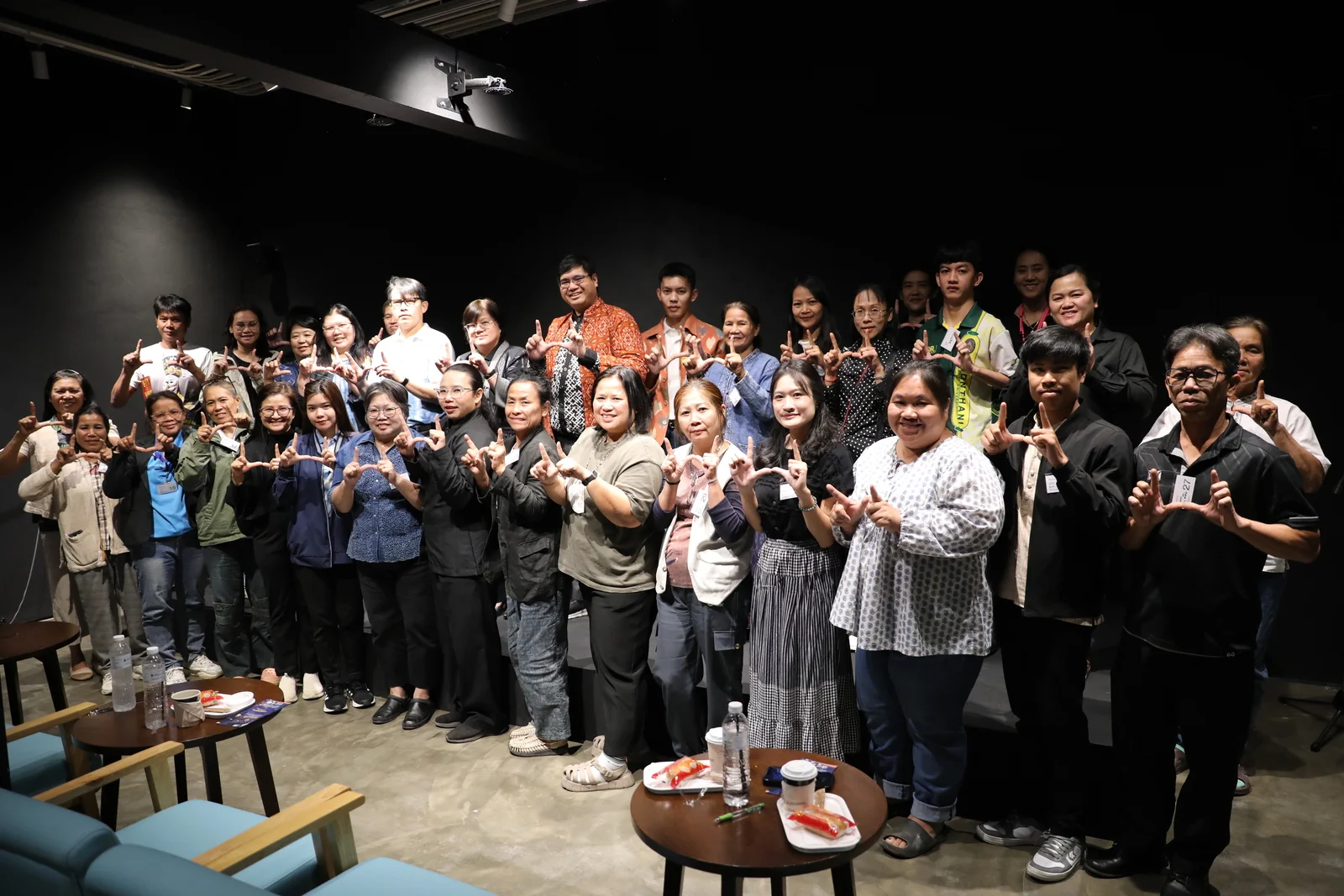
โครงการจัดฝึกอบรมเข้มข้น 3 วัน ระหว่างวันที่ 17–19 มีนาคม 2569 ณ FTCDC มหาวิทยาลัยราชภัฏอุดรธานี โดยมีพิธีเปิดอย่างเป็นทางการโดย ผู้ช่วยศาสตราจารย์ ดร.คณิศรา ธัญสุนทรสกุล อธิการบดี ซึ่งแสดงถึงความมุ่งมั่นของสถาบันต่อการพัฒนาชุมชนอย่างเป็นรูปธรรม กิจกรรมหลักประกอบด้วย 4 ด้าน ได้แก่
- การเสริมสร้างความรู้ด้านการจัดเตรียมวัสดุอุปกรณ์และเครื่องมือสำหรับการผลิตผ้าทอตามเทคนิคมัดหมี่
- การพัฒนาทักษะการเตรียมเส้นพุ่ง การมัด และการย้อมเส้นพุ่ง ตามกระบวนการดั้งเดิมของชุมชน
- การฝึกปฏิบัติการทอผ้าด้วยเทคนิคมัดหมี่จริง เพื่อสร้างชิ้นงานที่มีคุณภาพได้มาตรฐาน
- การแก้ไขปัญหาเบื้องต้นในกระบวนการทอผ้า เพื่อเสริมสมรรถนะในการทำงานอย่างอิสระ
ทั้งนี้ หลักสูตรทั้งหมดดำเนินภายใต้กรอบคุณวุฒิวิชาชีพระดับ 5 สาขาการอนุรักษ์งานศิลปหัตถกรรมและงานพื้นบ้าน ตามมาตรฐานของสถาบันคุณวุฒิวิชาชีพ (TPQI) ซึ่งบูรณาการทั้งมิติการศึกษา มิติการอนุรักษ์วัฒนธรรม และมิติความร่วมมือในกระบวนการเดียวกัน
3. Partners (หุ้นส่วน)
โครงการดำเนินงานบนฐานความร่วมมือแบบ Triple Helix ระหว่างสามภาคส่วนหลัก ได้แก่
- ภาควิชาการ โดย มหาวิทยาลัยราชภัฏอุดรธานี (FTCDC) เป็นผู้จัดและบริหารโครงการ / พื้นที่การเรียนรู้
- ภาครัฐ โดย สถาบันคุณวุฒิวิชาชีพ (TPQI) กำหนดกรอบมาตรฐานและรับรองคุณวุฒิ
- ภาคชุมชน โดย นายสถิตรัฐ สุรฤทธิพงศ์ / นางสมภาร คำภามี ถ่ายทอดภูมิปัญญาและเทคนิคดั้งเดิม
ความร่วมมือนี้สะท้อนโมเดลที่มหาวิทยาลัยทำหน้าที่เป็นตัวกลาง (University as Intermediary) เชื่อมโยงภูมิปัญญาชุมชนกับระบบการรับรองระดับชาติอย่างเป็นระบบและยั่งยืน
4. Outputs (ผลผลิต)
โครงการรุ่นที่ 3 สร้างผลผลิตที่วัดได้ดังนี้
- ผู้เข้าร่วมอบรมที่ผ่านหลักสูตรคุณวุฒิวิชาชีพระดับ 5 จำนวน 1 รุ่น (ต่อเนื่องจากรุ่นที่ 1 และ 2 ที่ประสบผลสำเร็จตามวัตถุประสงค์)
- ชิ้นงานผ้ามัดหมี่ที่สร้างขึ้นระหว่างการฝึกปฏิบัติ สะท้อนเทคนิคดั้งเดิมในมาตรฐานร่วมสมัย
- หลักสูตรและคู่มือฝึกปฏิบัติที่บันทึกองค์ความรู้ภูมิปัญญาท้องถิ่นอย่างเป็นระบบ
- เครือข่ายช่างทอผ้าชุมชนที่ผ่านการรับรองมาตรฐาน สะสมจาก 3 รุ่น
5. Outcomes (ผลลัพธ์)
โครงการมุ่งสู่ผลลัพธ์ที่ครอบคลุมสามมิติพร้อมกัน ได้แก่
มิติ SDG 4: ผู้เข้าอบรมมีทักษะวิชาชีพที่ได้รับการรับรองในระดับชาติ สามารถเข้าถึงโอกาสการจ้างงานและการประกอบอาชีพอิสระในระดับชุมชนและเชิงพาณิชย์ได้อย่างยั่งยืน เสริมสร้างการเรียนรู้ตลอดชีวิตในกลุ่มประชากรวัยทำงานนอกระบบการศึกษาปกติ
มิติ SDG 11: อัตลักษณ์ทางวัฒนธรรมของชุมชนอีสานได้รับการอนุรักษ์และสืบทอดอย่างมีระบบ ผ่านการยกระดับงานหัตถกรรมพื้นบ้านสู่มาตรฐานวิชาชีพที่ได้รับการยอมรับในระดับชาติ
มิติ SDG 17: เกิดระบบนิเวศการเรียนรู้ (Learning Ecosystem) ที่ยั่งยืน ซึ่งมหาวิทยาลัยทำหน้าที่เป็นแกนกลางเชื่อมภูมิปัญญาชุมชนกับระบบรับรองระดับชาติ และสามารถขยายผลโมเดลความร่วมมือนี้สู่งานหัตถกรรมพื้นบ้านประเภทอื่นได้

Soure: https://news.udru.ac.th/training-course-on-developing-ikat-weaving-techniques-3rd-session/
=========================
Training Programme on Mud-mee Weaving Technique Development, Cohort 3
Fabric and Textile Creative Design Centre (FTCDC), Udon Thani Rajabhat University
SDG 4 | SDG 11 | SDG 17
1. Context & Rationale
Mud-mee weaving is an intangible cultural heritage deeply embedded in the way of life of communities in north-eastern Thailand. Despite its profound cultural significance, traditional weaving skills lack systematic transmission to younger generations and are not yet linked to a formal professional qualification framework connected to modern employment and economic systems. As a result, community weavers are unable to demonstrate their professional competence fully, and this cultural heritage faces a long-term risk of disappearance.
Udon Thani Rajabhat University, through its Fabric and Textile Creative Design Centre (FTCDC), has therefore implemented a continuous training programme on ikat weaving technique development. The university serves as a bridge connecting local wisdom, the national professional qualification system, and the community, so that cultural heritage can be sustained and generate economic value in the long term. This initiative simultaneously advances SDG 4 (quality education and vocational skills), SDG 11 (protection of community cultural heritage), and SDG 17 (building multi-sector partnerships for sustainable development).
2. Activities
The programme comprised an intensive three-day training workshop held from 17 to 19 March 2026 at FTCDC, Udon Thani Rajabhat University. An official opening ceremony was presided over by Assistant Professor Dr Khanitsara Thanyasunthornsakun, University President, signalling the institution’s concrete commitment to community development. The four core activity areas were as follows:
• Strengthening knowledge of the preparation of materials, equipment, and tools for fabric production in accordance with ikat weaving techniques
• Developing skills in weft yarn preparation, tying, and dyeing, following traditional community processes
• Practising actual ikat weaving to produce quality work meeting established standards
• Addressing fundamental problems encountered during the weaving process in order to build competence for independent practice
The entire curriculum was delivered within the Level 5 Professional Qualification Framework, specialisation in Conservation of Traditional Arts, Crafts and Folk Arts, in accordance with the standards of the Thailand Professional Qualification Institute (TPQI). This integrated the dimensions of education, cultural conservation, and partnership within a single process.
3. Partners
The project was implemented on the basis of a Triple Helix partnership among three principal sectors: Sector Organisation Role
- Academia: Udon Thani Rajabhat University (FTCDC) Project organiser and administrator; learning venue
- Government: Thailand Professional Qualification Institute (TPQI) Defining qualification frameworks and accrediting professional credentials
- Community: Mr Sathitrat Surarithiphong / Mrs Somphan Khamphamee Transmitting indigenous knowledge and traditional techniques
This partnership reflects a model in which the university acts as an intermediary (University as Intermediary), systematically and sustainably connecting community wisdom with the national accreditation system.
4. Outputs
Cohort 3 generated the following measurable outputs:
• Participants completing the Level 5 Professional Qualification curriculum — one cohort (continuing from Cohorts 1 and 2, which achieved their stated objectives)
• Ikat fabric pieces produced during practical sessions, reflecting traditional techniques within contemporary standards
• A curriculum and practical handbook that systematically documents indigenous knowledge
• A network of certified community weavers accumulated across three cohorts
5. Outcomes
The project aims for outcomes spanning three integrated dimensions:
SDG 4 Dimension: Trainees acquire nationally accredited vocational skills, enabling sustainable access to employment opportunities and self-employment at community and commercial levels, while strengthening lifelong learning among working-age populations outside the formal education system.
SDG 11 Dimension: The cultural identity of Isan communities is conserved and systematically transmitted through the elevation of traditional folk crafts to a nationally recognised professional standard.
SDG 17 Dimension: A sustainable Learning Ecosystem emerges, with the university as the central hub connecting community wisdom with the national accreditation system. The partnership model is replicable and scalable to other categories of traditional folk crafts.
6. Evidence
Evidence Details
Opening ceremony record
Chaired by the University President on 17 March 2026
Programme continuity
Third consecutive cohort; Cohorts 1 and 2 achieved all stated objectives
Curriculum accreditation
Level 5 Professional Qualification Framework by TPQI, specialisation in Conservation of Traditional Arts, Crafts and Folk Arts
Project documentation
Objectives, activities, resource persons, and expected results clearly specified
Community expert engagement
Mr Sathitrat Surarithiphong and Mrs Somphan Khamphamee formally appointed as guest lecturers