 SDG 1 — ขจัดความยากจน
  SDG 11 — เมืองและถิ่นฐานมนุษย์อย่างยั่งยืน
 อบรมการพัฒนาเทคนิคการทอผ้ามัดหมี่ รุ่นที่ 3
บริบทและเหตุผล
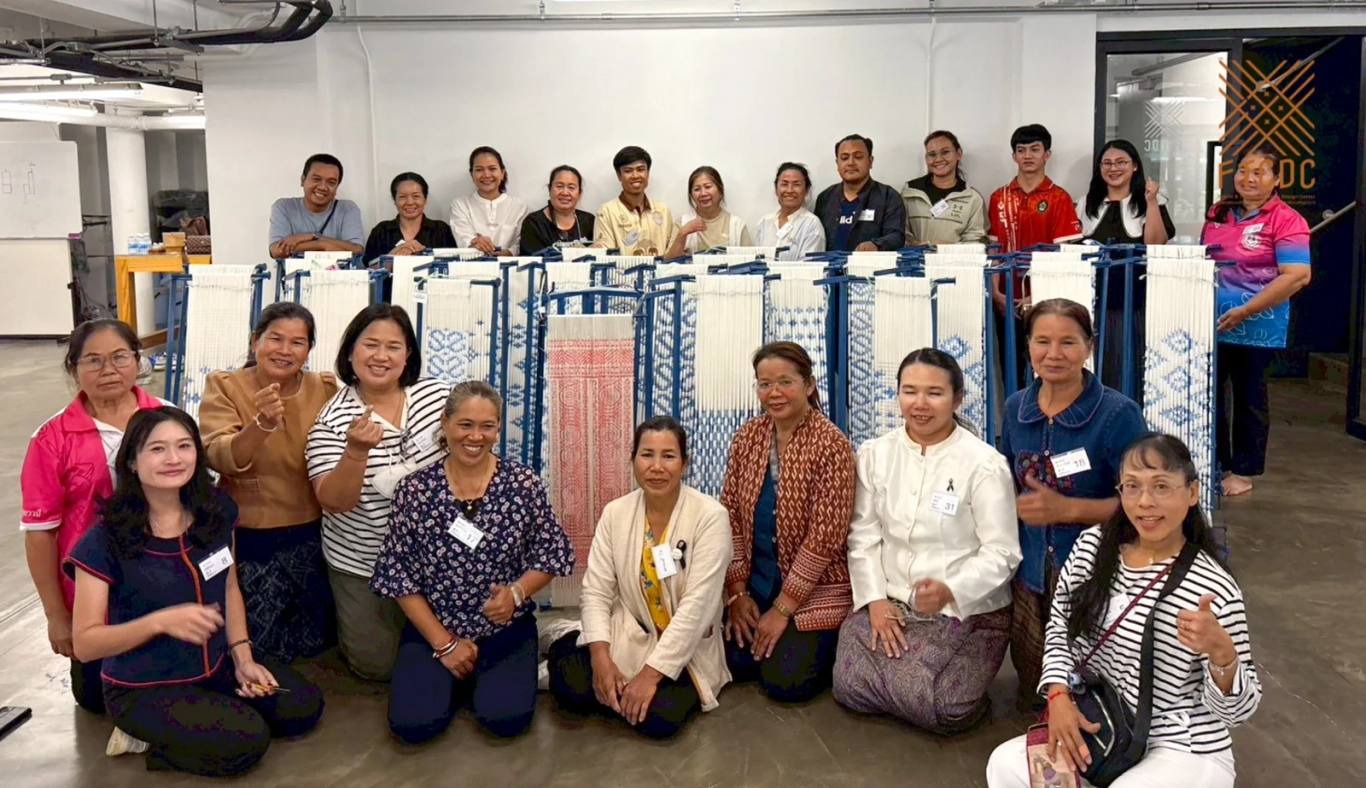
การดำเนินงานในครั้งนี้คือการจัด “โครงการฝึกอบรมการพัฒนาเทคนิคการทอผ้ามัดหมี่ รุ่นที่ 3” ซึ่งจัดขึ้นระหว่างวันที่ 17 – 19 มีนาคม 2569 ณ ศูนย์ออกแบบสร้างสรรค์ผ้าและสิ่งทอ (FTCDC) มหาวิทยาลัยราชภัฏอุดรธานี โดยได้รับเกียรติจาก ผู้ช่วยศาสตราจารย์ ดร.คณิศรา ธัญสุนทรสกุล อธิการบดี เป็นประธานในพิธีเปิดโครงการ โครงการนี้มีเหตุผลความจำเป็นในการร่วมขจัดความยากจนและสร้างความมั่นคงทางเศรษฐกิจระดับฐานราก ผ่านการอนุรักษ์ ฟื้นฟู และยกระดับทุนทางวัฒนธรรมและภูมิปัญญาท้องถิ่นด้านหัตถกรรมสิ่งทอ การส่งเสริมทักษะเชิงช่างให้แก่คนในชุมชนตามมาตรฐานคุณวุฒิวิชาชีพเป็นสิ่งสำคัญยิ่งในการเปลี่ยนผ่านจากทักษะดั้งเดิมสู่การผลิตเชิงพาณิชย์ที่มีมาตรฐานสากล เพื่อเปิดโอกาสให้ผู้เข้ารับการอบรมสามารถพึ่งพาตนเอง มีรายได้ที่มั่นคง และร่วมกันสืบสานอัตลักษณ์ทางวัฒนธรรมของชุมชนอย่างยั่งยืน
กิจกรรมและการดำเนินงาน
ระหว่างวันที่ 17 – 19 มีนาคม 2569 กระบวนการดำเนินงานได้ขับเคลื่อนผ่านกิจกรรมฝึกอบรมเชิงปฏิบัติการอย่างเข้มข้นเพื่อพัฒนาทักษะตามมาตรฐานของสถาบันคุณวุฒิวิชาชีพ (หลักสูตรคุณวุฒิวิชาชีพระดับ 5 สาขาวิชาชีพอนุรักษ์งานศิลปหัตถกรรมและงานพื้นบ้าน) กิจกรรมหลักประกอบด้วย การเสริมสร้างความรู้ภาคทฤษฎีในการจัดเตรียมวัสดุอุปกรณ์และเครื่องมือสำหรับการผลิตผ้าทอมัดหมี่ การฝึกปฏิบัติการเตรียมเส้นพุ่ง การมัด และการย้อมเส้นพุ่งอย่างประณีต ตลอดจนการลงมือฝึกปฏิบัติการทอผ้าด้วยเทคนิคมัดหมี่ขั้นสูง และการวิเคราะห์แก้ไขปัญหาเฉพาะหน้าในการทอผ้า โดยมีวิทยากรผู้เชี่ยวชาญ ได้แก่ นายสถิตรัฐ สุรฤทธิพงศ์ และนางสมภาร คำภามี ร่วมถ่ายทอดประสบการณ์เชิงลึก
ภาคีเครือข่ายความร่วมมือ (หุ้นส่วน)
ความสำเร็จในการยกระดับช่างหัตถกรรมท้องถิ่นในครั้งนี้ เกิดจากการร่วมมือกันอย่างเข้มแข็งระหว่างหน่วยงานวิจัยพัฒนากับผู้เชี่ยวชาญภูมิปัญญาชาวบ้าน นำโดย ศูนย์ออกแบบสร้างสรรค์ผ้าและสิ่งทอ (FTCDC) มหาวิทยาลัยราชภัฏอุดรธานี ในฐานะผู้จัดงานและสนับสนุนองค์ความรู้ด้านการออกแบบเชิงพาณิชย์ ทำงานร่วมกับ สถาบันคุณวุฒิวิชาชีพ (องค์การมหาชน) ในฐานะผู้รับรองมาตรฐานหลักสูตร ควบคู่ไปกับทีมวิทยากรผู้เชี่ยวชาญด้านการออกแบบลวดลายและการทอผ้ามัดหมี่ระดับประเทศ ตลอดจนเครือข่ายกลุ่มทอผ้าและประชาชนจากชุมชนต่างๆ ในจังหวัดอุดรธานีและใกล้เคียงที่เข้ามาร่วมเป็นผู้เรียนและหุ้นส่วนการพัฒนา
ผลผลิตจากโครงการ จากการดำเนินโครงการดังกล่าว ส่งผลให้เกิดผลผลิตที่เป็นรูปธรรมคือ ช่างทอผ้าชุมชนและผู้เข้ารับการอบรมที่ได้รับการพัฒนาทักษะการทอผ้ามัดหมี่ชั้นสูงตามมาตรฐานคุณวุฒิวิชาชีพจำนวน 1 รุ่น ยิ่งไปกว่านั้น ยังเกิดชุดองค์ความรู้และเทคนิคการผลิตผ้าทอมัดหมี่ที่ได้รับการจัดระบบให้ง่ายต่อการเรียนรู้ ตลอดจนเกิดผลงานผ้าทอมัดหมี่ต้นแบบที่มีคุณภาพสูง ได้มาตรฐาน และมีลวดลายสร้างสรรค์ที่พร้อมนำไปผลิตเพื่อต่อยอดสู่การประกอบอาชีพสร้างรายได้ในระดับชุมชนและเชิงพาณิชย์อย่างยั่งยืน
ผลลัพธ์
โครงการมุ่งสู่ผลลัพธ์ที่ครอบคลุม 2 มิติ ได้แก่:
มิติ SDG 1 (No Poverty - ขจัดความยากจน): สร้างความมั่นคงทางเศรษฐกิจและขจัดความยากจนในระดับท้องถิ่น (Target 1.4) โดยการส่งเสริมการฝึกทักษะอาชีพและยกระดับขีดความสามารถในการแข่งขันของช่างฝีมือชุมชน ช่วยให้ประชากรกลุ่มเป้าหมายสามารถเข้าถึงสิทธิในทรัพยากรทางเศรษฐกิจ มีเครื่องมือในการสร้างงาน สร้างรายได้ที่มั่นคง และพึ่งพาตนเองได้อย่างยั่งยืนผ่านการประกอบอาชีพในอุตสาหกรรมสร้างสรรค์
มิติ SDG 11 (Sustainable Cities and Communities - เมืองและชุมชนที่ยั่งยืน): เสริมสร้างความพยายามในการปกป้องและรักษาไว้ซึ่งมรดกทางวัฒนธรรมและทางธรรมชาติของโลก (Target 11.4) ผ่านการขับเคลื่อนหลักสูตรอนุรักษ์งานศิลปหัตถกรรมและงานพื้นบ้าน การฟื้นฟูเทคนิคการทอผ้ามัดหมี่อันเป็นอัตลักษณ์ของลุ่มน้ำโขงและอีสาน ช่วยให้มรดกภูมิปัญญาทางวัฒนธรรม (Intangible Cultural Heritage) ได้รับการสืบทอดอย่างมีชีวิตชีวา และสามารถผสานเข้ากับเศรษฐกิจสร้างสรรค์ของเมืองได้อย่างสมดุล
FTCDC at Udon Thani Rajabhat University Launches the 3rd Mudmee Silk Weaving Technical Workshop, Elevating Community OTOP Industry
The Fabric and Textile Creative Design Center (FTCDC) at Udon Thani Rajabhat University hosts an intensive professional skills development program for Mudmee silk weaving based on National Vocational Qualifications to drive local commercialization.
Context & Rationale
This cultural and economic initiative involved the successful implementation of "The 3rd Mudmee Silk Weaving Technical Training Project," conducted from March 17 to 19, 2026, at the Fabric and Textile Creative Design Center (FTCDC), Udon Thani Rajabhat University. The opening ceremony was officially presided over by President Asst. Prof. Dr. Khanisara Thansunthonsakul. The primary rationale of this targeted intervention is to eradicate local poverty and build grassroots economic resilience by preserving, revitalizing, and modernizing traditional cultural capital and textile wisdom. Elevating weavers' skills according to professional qualification benchmarks is essential to transition heritage crafts into high-value, standardized commercial commodities, directly enabling community members to secure sustainable incomes and sustain their cultural identities within globalized markets.
Activities & Operations
From March 17 to 19, 2026, a series of comprehensive technical operations and hands-on vocational workshops were successfully executed. The curriculum aligned rigorously with the National Professional Qualification Standard (Level 5 in Arts, Crafts, and Folk Heritage Conservation). The operational phase integrated advanced theoretical knowledge on textile equipment optimization with intense practical workflows. Participants were systematically trained in weft yarn preparation, delicate tie-dyeing, and precision weft-dyeing techniques. Ultimately, the operational sequence focused on advanced Mudmee public weaving practices and troubleshooting mechanisms, closely mentored by elite national textile experts Mr. Sathitrath Surarithipong and Mrs. Somphan Khamphamee.
Multi-Stakeholder Partnerships
The successful execution of this regional craftsmanship accelerator was anchored on a robust multi-stakeholder alliance blending academic research with community master artisans. The organizing core was driven by the Fabric and Textile Creative Design Center (FTCDC) of Udon Thani Rajabhat University, working in synchronization with the Thailand Professional Qualification Institute (Public Organization) for curriculum standardization. This technical partnership operated in direct collaboration with national pattern design experts and grassroots weaving networks across Udon Thani Province, establishing an effective ecosystem for inclusive local human resource development.
Project Outputs
As a direct outcome of these strategic operations, a new cohort of qualified community artisans certified under national professional qualifications for high-level Mudmee weaving was successfully produced. Additionally, the project yielded a refined technical handbook and instructional blueprint for standardized tie-dye and weft-weaving practices. Ultimately, the initiative generated high-quality, market-ready Mudmee textile prototypes featuring innovative patterns, creating a sustainable foundation for immediate community micro-enterprises and macro commercialization.
Outcomes
The project aims for comprehensive outcomes across 2 key dimensions:
SDG 1 (No Poverty): Directly drives local economic empowerment and poverty eradication by ensuring that vulnerable community members gain equal access to economic resources and vocational skills (Target 1.4). Upgrading traditional artisans into certified professionals provides them with the means for stable job creation, income generation, and self-reliance through the local creative economy.
SDG 11 (Sustainable Cities and Communities): Strengthens national and regional efforts to protect and safeguard the world’s cultural and natural heritage (Target 11.4). Implementing curricula centered on arts, crafts, and folk heritage conservation ensures the survival of intangible cultural heritage. Revitalizing regional Mudmee weaving techniques transforms historical identity into a living asset that balances urban community development with creative economic growth.
https://news.udru.ac.th/training-course-on-developing-ikat-weaving-techniques-3rd-session/