 SDG 1 — ขจัดความยากจน
 SDG 2 — ขจัดความหิวโหย
 SDG 8 — การจ้างงานที่มีคุณค่าและการเติบโตทางเศรษฐกิจ
 SDG 12 — แผนการบริโภคและการผลิตที่ยั่งยืน
 SDG 17 — ความร่วมมือเพื่อการพัฒนาที่ยั่งยืน
2568-2569
SDG 17 — ความร่วมมือเพื่อการพัฒนาที่ยั่งยืน
2568-2569
อบรมเชิงปฏิบัติการและถ่ายทอดเทคโนโลยีฯ
1. Context & Rationale (บริบทและเหตุผล)
การดำเนินงานในครั้งนี้อยู่ภายใต้โครงการ "การยกระดับเศรษฐกิจฐานรากกลุ่มเกษตรกรผลิตและแปรรูปผลิตภัณฑ์จากข้าวอินทรีย์ ภายใต้การใช้โมเดลเศรษฐกิจ BCG สู่เกษตรกรรมยั่งยืน" ประจำปีงบประมาณ 2568 ซึ่งขับเคลื่อนโดยศูนย์เทคโนโลยีเกษตรและนวัตกรรม (AIC) มีวัตถุประสงค์สำคัญในการยกระดับเศรษฐกิจฐานรากของกลุ่มเกษตรกรในพื้นที่เป้าหมาย ผ่านการผสานองค์ความรู้ด้านเทคโนโลยีและนวัตกรรมสมัยใหม่เข้ามาช่วยในกระบวนการแปรรูปข้าวอินทรีย์ ทั้งนี้เพื่อสร้างมูลค่าเพิ่มให้กับผลิตภัณฑ์ท้องถิ่น ขยายโอกาสทางการตลาด และร่วมผลักดันชุมชนให้ก้าวไปสู่ระบบเกษตรกรรมที่ยั่งยืนอย่างเป็นรูปธรรม
2. Activities (กิจกรรม)
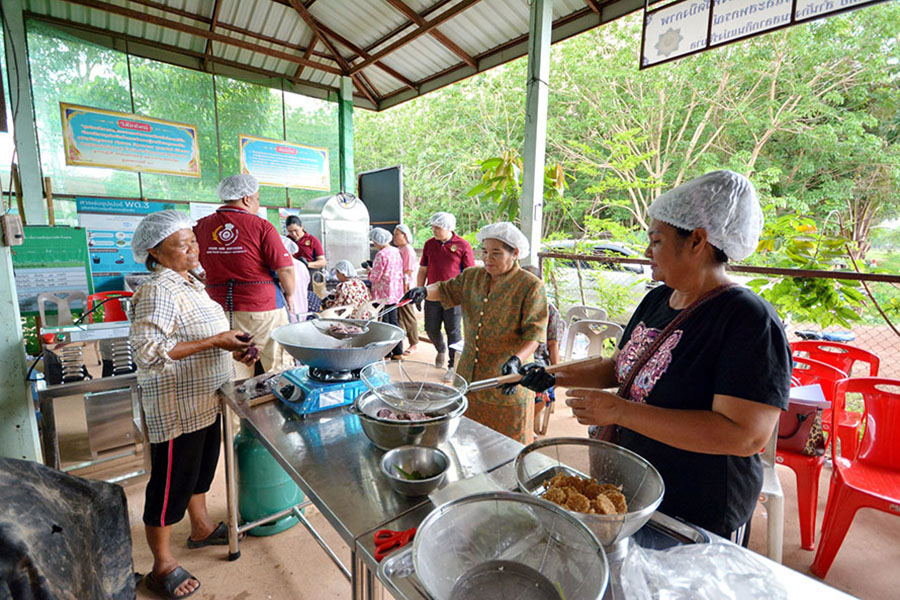
เมื่อวันที่ 8 มิถุนายน 2568 ได้มีการจัดกิจกรรมอบรมเชิงปฏิบัติการอย่างเข้มข้น เพื่อถ่ายทอดเทคโนโลยีและนวัตกรรมการแปรรูป รวมถึงแนวทางการเพิ่มมูลค่าผลิตภัณฑ์จากข้าวอินทรีย์ให้แก่กลุ่มเกษตรกรเป้าหมายอย่างใกล้ชิด พร้อมทั้งมีพิธีมอบเกียรติบัตรเพื่อเป็นเกียรติและรับรองศักยภาพให้แก่เกษตรกรผู้ผ่านการอบรมตามหลักสูตรของโครงการฯ นอกจากนี้ คณะทำงานยังได้ลงพื้นที่ตรวจเยี่ยมเพื่อติดตามความก้าวหน้าของห้องปฏิบัติการผลิตสินค้าของกลุ่มวิสาหกิจชุมชนฯ เพื่อเตรียมความพร้อมและให้คำแนะนำในด้านเทคนิคก่อนเริ่มกระบวนการผลิตจริง
3. Partners (หุ้นส่วน)
ความสำเร็จของโครงการนี้เกิดจากการบูรณาการร่วมกันของหลายภาคส่วน นำโดย คณะเทคโนโลยีและวิศวกรรมศาสตร์ มหาวิทยาลัยราชภัฏอุดรธานี ภายใต้การนำของ รศ.ดร.สุนทร สุทธิบาก คณบดีและผู้อำนวยการศูนย์ AIC พร้อมด้วย ผศ.ดร.ชญานนท์ แสงมณี, นายอโนชา ชาวอุทัย ตลอดจนทีมวิทยากรผู้เชี่ยวชาญ ได้แก่ อาจารย์สาธิต ทองสุกงาม, อาจารย์เศรษฐพงศ์ อัปมะเย และนักศึกษาสาขาวิชาอาหารและบริการ ร่วมด้วย โครงการจัดตั้งวิทยาลัยนวัตกรรมแห่งบึงกาฬ โดยการนำของ ดร.วิสิธิ์ มะณี และศูนย์เทคโนโลยีเกษตรและนวัตกรรม (AIC) ที่ได้ร่วมมืออย่างใกล้ชิดกับภาคประชาสังคมในพื้นที่ คือ วิสาหกิจชุมชนเกษตรอินทรีย์ชีวภาพบ้านโคกสำราญรุ่งเรือง ตำบลชุมภูพร อำเภอศรีวิไล จังหวัดบึงกาฬ ซึ่งเป็นกลุ่มเกษตรกรเป้าหมายหลัก
4. Outputs (ผลผลิต)
เจากการดำเนินงานดังกล่าว ส่งผลให้เกษตรกรในพื้นที่เป้าหมายได้รับการถ่ายทอดเทคโนโลยี นวัตกรรมการแปรรูป และแนวทางการเพิ่มมูลค่าผลิตภัณฑ์จากข้าวอินทรีย์อย่างทั่วถึง โดยมีเกษตรกรที่ผ่านการพัฒนาศักยภาพตามหลักสูตรและได้รับมอบเกียรติบัตรรับรองอย่างเป็นทางการ ยิ่งไปกว่านั้น โครงการยังผลักดันให้เกิดห้องปฏิบัติการผลิตสินค้าของกลุ่มวิสาหกิจชุมชนฯ ที่มีมาตรฐาน โดยได้รับการติดตามดูแลและได้รับคำแนะนำแนวทางการพัฒนาเชิงเทคนิคจากผู้เชี่ยวชาญเพื่อพร้อมรองรับการผลิตในอนาคต
5. Outcomes (ผลลัพธ์)
โครงการมุ่งสู่ผลลัพธ์ที่ครอบคลุม 5 มิติ ได้แก่:
มิติ SDG 1 (No Poverty - ขจัดความยากจน): เกษตรกรมีรายได้เพิ่มขึ้นจากการจำหน่ายผลิตภัณฑ์ข้าวอินทรีย์แปรรูปที่มีมูลค่าสูงขึ้น ช่วยยกระดับเศรษฐกิจฐานรากและลดปัญหาความยากจนในชุมชน
มิติ SDG 2 (Zero Hunger - ขจัดความหิวโหย บรรลุความมั่นคงทางอาหาร): ส่งเสริมระบบการผลิตอาหารที่ยั่งยืนผ่านเกษตรกรรมอินทรีย์ ซึ่งช่วยเพิ่มผลผลิตที่มีคุณภาพ ปลอดภัย และสร้างความมั่นคงทางอาหารในระดับท้องถิ่น
มิติ SDG 8 (Decent Work and Economic Growth - การจ้างงานที่มีคุณค่าและการเติบโตทางเศรษฐกิจ): ขับเคลื่อนเศรษฐกิจชุมชนผ่านโมเดล BCG ส่งเสริมการสร้างงาน สร้างอาชีพในท้องถิ่น และพัฒนาศักยภาพของวิสาหกิจชุมชนให้เติบโตอย่างยั่งยืน
มิติ SDG 12 (Responsible Consumption and Production - การผลิตและการบริโภคที่ยั่งยืน): ลดการสูญเสียในกระบวนการผลิตด้วยการแปรรูปข้าวอินทรีย์ และส่งเสริมการบริโภคผลิตภัณฑ์ที่เป็นมิตรต่อสิ่งแวดล้อมตามแนวคิดเศรษฐกิจหมุนเวียน (Circular Economy)
มิติ SDG 17 (Partnerships for the Goals - ความร่วมมือเพื่อการพัฒนาที่ยั่งยืน): เกิดเครือข่ายความร่วมมืออย่างเป็นรูปธรรมระหว่างสถาบันอุดมศึกษา (มรภ.อุดรธานี และโครงการจัดตั้งวิทยาลัยนวัตกรรมแห่งบึงกาฬ) หน่วยงานเครือข่ายเทคโนโลยี (ศูนย์ AIC) และภาคประชาสังคม/ชุมชน (วิสาหกิจชุมชนฯ บ้านโคกสำราญรุ่งเรือง)
Workshop and Technology Transfer on Organic Rice Processing
Hands-on Workshop and Innovation Transfer for Product Processing
1. Context & Rationale
This initiative was successfully executed under the 2025 fiscal year project titled "Elevating the Grassroots Economy for Organic Rice Farming and Processing Groups Through the BCG Economic Model Towards Sustainable Agriculture," strategically driven by the Agricultural Technology and Innovation Center (AIC). The primary rationale of this project is to uplift the grassroots economy of local farmers in the targeted areas by leveraging modern scientific technology and innovation to process organic rice. This comprehensive approach adds substantial value to local agricultural commodities, expands market opportunities, and effectively drives the community toward sustainable agricultural ecosystems.
2. Activities
On June 8, 2025, an intensive hands-on workshop was successfully organized to transfer advanced technology and processing innovations, alongside strategic value-adding techniques for organic rice products, directly to the targeted farming groups. Following the completion of the training, an official certificate presentation ceremony was held to honor and recognize the certified farmers who successfully graduated from the curriculum. Additionally, the working committee conducted an official site visit to monitor the physical and operational progress of the community enterprise’s production laboratory, providing vital technical guidance to ensure full readiness for upcoming manufacturing operations.
3. Partners
The fruitful outcomes of this project rely on a robust partnership bridging multiple sectors. The academic and technical driving force was led by the Faculty of Technology and Engineering, Udon Thani Rajabhat University, under the leadership of Assoc. Prof. Dr. Suntorn Suttibak (Dean and Director of the AIC Center), Asst. Prof. Dr. Chayanon Saengmanee, and Mr. Anocha Chaouthai, alongside a specialized team of guest speakers including Mr. Sathit Thongsukngam, Mr. Setthaphong Appamaye, and active student assistants from the Food and Services program. This academic block worked in tandem with the Establishment Project of Bueng Kan Innovation College, led by Dr. Wisit Manee, and the Agricultural Technology and Innovation Center (AIC). These institutions closely collaborated with the civil society and grassroots sector, namely the Ban Khok Samran Rungrueang Bio-Organic Agricultural Community Enterprise, located in Chumphu Phon Sub-district, Si Wilai District, Bueng Kan Province, who served as the primary targeted farming group.
4. Outputs
As a direct result of these operational efforts, targeted farmers effectively acquired practical, high-value knowledge regarding organic rice processing technologies and innovative value-adding methodologies. The training successfully produced a group of certified farmers who graduated with accredited certifications. Furthermore, the initiative led to the development of an operational community-level production laboratory, which has been structurally assessed and provided with systematic technical oversight to support long-term sustainable production.
5. Outcomes
The project aims for comprehensive outcomes across 5 key dimensions:
SDG 1 (No Poverty): Farmers generate higher income through the sale of value-added processed organic rice products, strengthening the grassroots economy and reducing local poverty.
SDG 2 (Zero Hunger): The project promotes sustainable food production systems through organic farming, increasing high-quality, safe yields and enhancing food security at the local level.
SDG 8 (Decent Work and Economic Growth): It drives the local economy via the BCG model, fostering community employment, creating career opportunities, and building the capacity of community enterprises for sustainable growth.
SDG 12 (Responsible Consumption and Production): Production waste is minimized through organic rice processing, while eco-friendly consumption is encouraged in line with Circular Economy principles.
SDG 17 (Partnerships for the Goals): A solid partnership has been established between higher education institutions (Udon Thani Rajabhat University and the Bueng Kan Innovation College project), technological agencies (AIC Center), and the civil society/local community (Ban Khok Samran Rungrueang Community Enterprise).
https://news.udru.ac.th/training-workshops-and-technology-transfer/