 SDG 4 — การศึกษาที่มีคุณภาพ
 SDG 11 — เมืองและถิ่นฐานมนุษย์อย่างยั่งยืน
 SDG 17 — ความร่วมมือเพื่อการพัฒนาที่ยั่งยืน
2568-2569
SDG 17 — ความร่วมมือเพื่อการพัฒนาที่ยั่งยืน
2568-2569
โครงการสร้างสรรค์งานศิลปกรรมลุ่มน้ำโขง
บริบทและเหตุผล
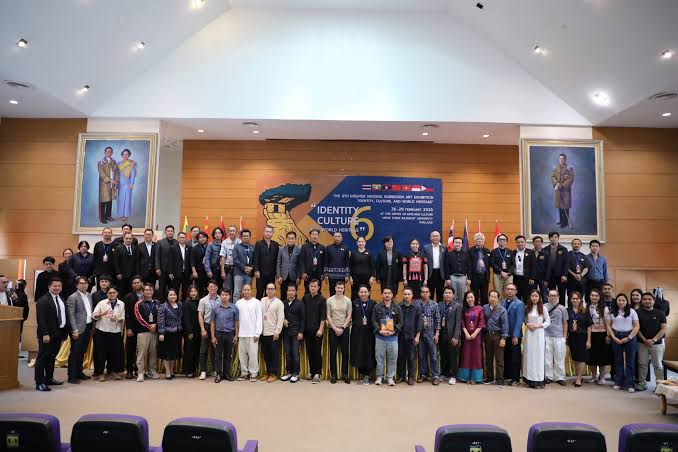
การดำเนินงานในครั้งนี้คือการจัดกิจกรรมสัมมนาเชิงปฏิบัติการ “โครงการสร้างสรรค์งานศิลปกรรมลุ่มน้ำโขง : อัตลักษณ์ วัฒนธรรม มรดกโลก” ซึ่งจัดขึ้นระหว่างวันที่ 26-28 กุมภาพันธ์ 2569 ณ มหาวิทยาลัยราชภัฏอุดรธานี และพื้นที่เกี่ยวเนื่อง โครงการนี้มีเหตุผลความจำเป็นในการอนุรักษ์ ฟื้นฟู และต่อยอดทุนทางวัฒนธรรมอันทรงคุณค่าในภูมิภาคลุ่มน้ำโขง โดยการบูรณาการมรดกทางวัฒนธรรมและประวัติศาสตร์ท้องถิ่นเข้ากับศิลปะร่วมสมัย (Contemporary Art) เพื่อสร้างความตระหนักรู้และสืบทอดคุณค่าของแหล่งมรดกโลกและวิถีชีวิตดั้งเดิม พร้อมทั้งยกระดับความรู้ความเข้าใจด้านศิลปวัฒนธรรมให้แก่คณาจารย์ นักศึกษา และศิลปิน ผ่านการแลกเปลี่ยนทางวิชาการในระดับนานาชาติ อันเป็นการสร้างมูลค่าเพิ่มให้แก่มรดกทางวัฒนธรรมและกระตุ้นการท่องเที่ยวเชิงสร้างสรรค์ในภูมิภาคอย่างยั่งยืน
กิจกรรมและการดำเนินงาน
ระหว่างวันที่ 26-28 กุมภาพันธ์ 2569 กระบวนการดำเนินงานได้ขับเคลื่อนผ่านกิจกรรมเชิงวิชาการและการลงพื้นที่ภาคสนามอย่างเข้มข้น กิจกรรมเริ่มต้นด้วยการนำคณะผู้เข้าร่วมโครงการศึกษาดูงานและทัศนศึกษา ณ อุทยานประวัติศาสตร์ภูพระบาท แหล่งมรดกโลกทางวัฒนธรรม เพื่อรับฟังการบรรยายจากผู้เชี่ยวชาญในพื้นที่จริง จากนั้นจัดให้มีการสัมมนาเชิงปฏิบัติการและการบรรยายพิเศษจากศิลปินและผู้ทรงคุณวุฒิระดับนานาชาติอย่างหลากหลาย อาทิ การบรรยายเรื่องเครื่องรักเวียดนาม ภาพพิมพ์ดั้งเดิมเมืองเว้ วิถีชีวิตสังคมวัฒนธรรมของ สปป.ลาว การสร้างสรรค์จิตรกรรมจากวิถีชีวิตในเมียนมา เทคนิคจิตรกรรมพู่กันจีน และการตีความบ้านโบราณสู่ศิลปะร่วมสมัยของฟิลิปปินส์ เพื่อสร้างกระบวนการเรียนรู้และฝึกปฏิบัติจริงในการเปลี่ยนผ่านรากเหง้าวัฒนธรรมสู่งานศิลปกรรมร่วมสมัย
ภาคีเครือข่ายความร่วมมือ (หุ้นส่วน)
ความสำเร็จของการจัดเวทีสร้างสรรค์ศิลปกรรมระดับนานาชาติในครั้งนี้ เกิดจากการบูรณาการความร่วมมือพหุภาคีอย่างไร้พรมแดน นำโดย ภายในสถาบันจากการจับมือกันระหว่าง สำนักศิลปะและวัฒนธรรม ร่วมกับ คณะมนุษยศาสตร์และสังคมศาสตร์ มหาวิทยาลัยราชภัฏอุดรธานี ทำงานร่วมกับภาคีเครือข่ายผู้เชี่ยวชาญและศิลปินจากองค์กรการศึกษาและวัฒนธรรมในต่างประเทศ ได้แก่ สาธารณรัฐสังคมนิยมเวียดนาม (Dr. Vo Quang Phat และ Dr. Phan Le Chung), สาธารณรัฐประชาธิปไตยประชาชนลาว (Mr. Khamla Panyasith), สาธารณรัฐฟิลิปปินส์ (Dr. Ashley Paulino S. Martinez), สาธารณรัฐแห่งสหภาพเมียนมา (Mr. Than Kyaw Htay) และสาธารณรัฐประชาชนจีน (Mr. Yanhui Li) พร้อมด้วยหน่วยงานจัดการดูแลแหล่งมรดกโลกในพื้นที่
ผลผลิตจากโครงการ
จากการดำเนินโครงการดังกล่าว ส่งผลให้เกิดผลผลิตที่เป็นรูปธรรมคือ ชุดผลงานศิลปกรรมร่วมสมัยที่ได้รับแรงบันดาลใจจากอัตลักษณ์ วัฒนธรรม และมรดกโลกลุ่มน้ำโขง ยิ่งไปกว่านั้น ยังเกิดแพลตฟอร์มการเรียนรู้และแลกเปลี่ยนทางศิลปวัฒนธรรมข้ามชาติจำนวน 1 โครงการ ที่รวบรวมองค์ความรู้เฉพาะทางด้านเทคนิคศิลปะแบบประเพณี ตลอดจนเกิดเครือข่ายความร่วมมือทางวิชาการและศิลปกรรมระหว่างมหาวิทยาลัยราชภัฏอุดรธานีกับศิลปินผู้ทรงคุณวุฒิจาก 5 ประเทศในภูมิภาค ซึ่งเป็นฐานข้อมูลสำคัญในการส่งเสริมงานวิจัยและการสร้างสรรค์งานศิลปะระดับสากลในอนาคต
ผลลัพธ์
โครงการมุ่งสู่ผลลัพธ์ที่ครอบคลุม 3 มิติ ได้แก่:
มิติ SDG 4 (Quality Education - การศึกษาที่เท่าเทียมและมีคุณภาพ): ส่งเสริมการจัดการเรียนรู้ที่ครอบคลุมและมีคุณภาพสูงในระดับอุดมศึกษา (Target 4.7) โดยการผสานการศึกษาดูงานนอกห้องเรียน ณ แหล่งมรดกโลกจริง เข้ากับการสัมมนาเชิงปฏิบัติการร่วมกับผู้เชี่ยวชาญระดับสากล ช่วยให้นักศึกษาและบุคลากรทางการศึกษาได้รับความรู้และทักษะที่จำเป็นในการส่งเสริมการพัฒนาที่ยั่งยืน การชื่นชมความหลากหลายทางวัฒนธรรม และการมีส่วนร่วมของวัฒนธรรมต่อการพัฒนาที่ยั่งยืน
มิติ SDG 11 (Sustainable Cities and Communities - เมืองและชุมชนที่ยั่งยืน): เสริมสร้างความพยายามที่จะปกป้องและรักษาไว้ซึ่งมรดกทางวัฒนธรรมและทางธรรมชาติของโลก (Target 11.4) ผ่านการขับเคลื่อนกิจกรรม ณ แหล่งมรดกโลกภูพระบาท และการนำรากเหง้าทางประวัติศาสตร์และวิถีชีวิตลุ่มน้ำโขงมาสะท้อนและเชิดชูผ่านงานศิลปกรรมร่วมสมัย ช่วยสร้างความตระหนักรู้และจิตสำนึกในการหวงแหนคุณค่าของมรดกโลกให้คงอยู่ร่วมกับชุมชนอย่างยั่งยืน
มิติ SDG 17 (Partnerships for the Goals - ความร่วมมือเพื่อการพัฒนาที่ยั่งยืน): พัฒนาความเป็นหุ้นส่วนระดับโลกเพื่อการพัฒนาที่ยั่งยืนผ่านความร่วมมือทางวิทยาการ เทคโนโลยี และวัฒนธรรม (Target 17.6 และ 17.16) ความร่วมมือระหว่าง มรภ.อุดรธานี และเครือข่ายศิลปินผู้ทรงคุณวุฒิจากเวียดนาม ลาว ฟิลิปปินส์ เมียนมา และจีน เป็นการสร้างกลไกพหุภาคีที่เข้มแข็งในการแบ่งปันองค์ความรู้ ทักษะเชิงช่าง และแนวปฏิบัติที่ดี เพื่อการพัฒนาทุนทางวัฒนธรรมในระดับภูมิภาค
Udon Thani Rajabhat University Hosts International Art Workshop on Mekong Basin Fine Arts: Identity, Culture, and World Heritage
The Office of Arts and Culture, in partnership with the Faculty of Humanities and Social Sciences at Udon Thani Rajabhat University, organizes an international workshop exploring Mekong fine arts, combining field studies at Phu Phrabat World Heritage site with contemporary artistic creations.
Context & Rationale
This transnational cultural and academic initiative involved the organization of the international workshop titled "Mekong Basin Fine Arts: Identity, Culture, and World Heritage," conducted between February 26-28, 2026, at Udon Thani Rajabhat University and associated heritage locations. The primary rationale of this high-impact intervention is to preserve, revitalize, and expand the valuable cultural capital inherent within the Mekong Sub-region. By integrating historical narratives and local heritage into contemporary artistic expressions, the project builds public awareness and safekeeps the outstanding values of World Heritage sites and indigenous livelihoods. Furthermore, it accelerates the professional skills and cultural comprehension of faculty members, students, and practitioners through global academic dialogues, transforming cultural heritage into sustainable creative tourism and local socioeconomic drivers.
Activities & Operations
From February 26 to 28, 2026, a series of intensive field operations and academic workshops were successfully carried out. The operational phase commenced with an experiential field study and site lecture at the Phu Phrabat Historical Park, a designated UNESCO World Heritage site, guided by local archeological experts. Subsequently, the workflow shifted into technical art seminars and specialized lectures presented by prominent global artists. These specialized tracks included technical analysis of Vietnamese lacquer art, traditional Hue woodblock printing, Laotian sociocultural lifestyles, Myanmar painting techniques, and Chinese brush painting methods, all translated through the lens of contemporary creation to provide students with hands-on training in turning ancestral roots into modern art.
Multi-Stakeholder Partnerships
The successful staging of this cross-border artistic forum was anchored on a powerful multi-stakeholder and international partnership framework. Internal coordination was co-driven by the Office of Arts and Culture and the Faculty of Humanities and Social Sciences at Udon Thani Rajabhat University. This block worked in synchronization with an international network of cultural experts and visual artists representing five global nations: the Socialist Republic of Vietnam (Dr. Vo Quang Phat and Dr. Phan Le Chung), the Lao People's Democratic Republic (Mr. Khamla Panyasith), the Republic of the Philippines (Dr. Ashley Paulino S. Martinez), the Republic of the Union of Myanmar (Mr. Than Kyaw Htay), and the People's Republic of China (Mr. Yanhui Li), alongside regional World Heritage site administrators.
Project Outputs
As a direct outcome of these strategic operations, an institutionalized transnational platform for artistic exchange, the "Mekong Basin Fine Arts Workshop," was successfully established. Additionally, the project yielded a valuable collection of contemporary art masterpieces inspired by Mekong identities and World Heritage iconography. Ultimately, the initiative generated a highly connected regional network linking Udon Thani Rajabhat University with elite artistic academic blocks across five neighboring nations, creating a continuous pipeline for future research, creative innovations, and international fine arts cooperation.
Outcomes
The project aims for comprehensive outcomes across 3 key dimensions:
SDG 4 (Quality Education): Substantially advances quality higher education benchmarks by embedding inclusive, experiential learning pathways (Target 4.7). Combining outdoor site studies at actual World Heritage locations with international artistic seminars ensures that students and educators acquire the critical knowledge and skills needed to promote sustainable development, cultural diversity appreciation, and culture’s contribution to sustainable development.
SDG 11 (Sustainable Cities and Communities): Strengthens national and global efforts to protect and safeguard the world’s cultural and natural heritage (Target 11.4). By centering operations around the Phu Phrabat World Heritage site and reimagining Mekong histories through contemporary fine arts, the project actively fosters public consciousness and community ownership over fragile natural and cultural assets.
SDG 17 (Partnerships for the Goals): Cultivates and expands robust multi-stakeholder international partnerships to drive sustainable development goals (Target 17.6 & 17.16). The institutional alliance connecting UDRU with distinguished cultural academic blocks from Vietnam, Lao PDR, the Philippines, Myanmar, and China functions as a vital platform for cross-border knowledge-sharing, technology transfer, and resource pooling for cultural regional advancement.
https://news.udru.ac.th/mekong-river-basin-creative-arts-project/