 SDG 3 — การมีสุขภาพและความเป็นอยู่ที่ดี
  SDG 11 — เมืองและถิ่นฐานมนุษย์อย่างยั่งยืน
 แนวทางสร้างความปลอดภัยทางถนน
บริบทและเหตุผล
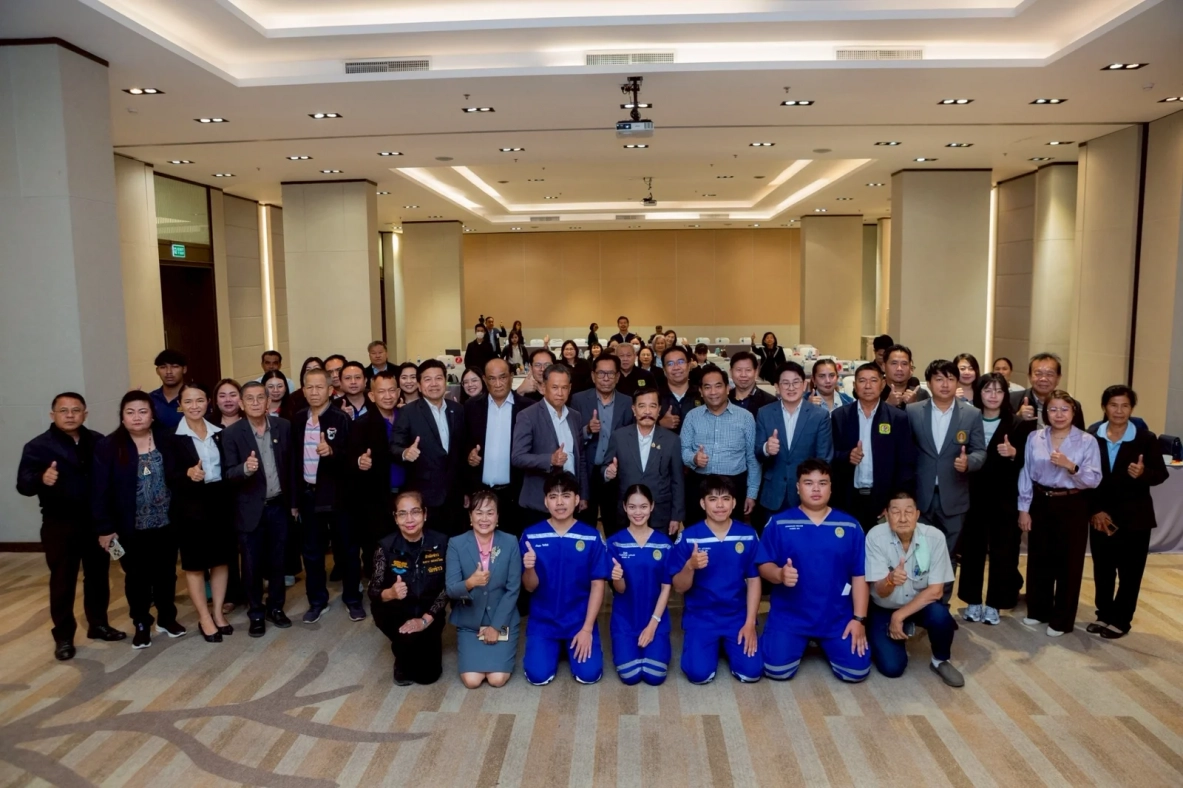
การดำเนินงานในครั้งนี้คือการที่ มหาวิทยาลัยราชภัฏอุดรธานี ได้รับเชิญเข้าร่วมเวทีระดับประเทศและร่วมเป็นวิทยากรในงานประชุม “บูรณาการพลังสื่อ-เอกชน สร้างถนนปลอดภัย” ซึ่งจัดขึ้นเมื่อวันที่ 11 มีนาคม 2569 ณ โรงแรมทีเค พาเลซ แอนด์ คอนเวนชั่น กรุงเทพมหานคร โครงการนี้มีเหตุผลความจำเป็นเร่งด่วนในการแก้ไขปัญหาอุบัติเหตุทางถนน ซึ่งเป็นหนึ่งในสาเหตุหลักของการสูญเสียชีวิตและทรัพย์สินของประชากร โดยเฉพาะในกลุ่มเยาวชนระดับอุดมศึกษา การจัดการความปลอดภัยทางถนนภายในสถานศึกษาจึงเป็นรากฐานสำคัญในการบ่มเพาะวินัยจราจร สร้างมาตรการองค์กรที่เข้มแข็ง และลดอัตราการบาดเจ็บหรือเสียชีวิตจากอุบัติเหตุทางถนนอย่างเป็นรูปธรรม เพื่อขับเคลื่อนระบบคมนาคมที่ปลอดภัยและยั่งยืนจากระดับสถาบันสู่สังคมในวงกว้าง
กิจกรรมและการดำเนินงาน
เมื่อวันที่ 11 มีนาคม 2569 กระบวนการดำเนินงานได้ขับเคลื่อนผ่านการแลกเปลี่ยนเรียนรู้และถ่ายทอดนวัตกรรมการบริหารจัดการเชิงพื้นที่ระดับประเทศ โดยผู้แทนจากมหาวิทยาลัยราชภัฏอุดรธานี นำโดย ผู้อำนวยการกองพัฒนานักศึกษา นักวิชาการศึกษา และแกนนำชมรมอาสาสมัครกู้ชีพกู้ภัย ได้ร่วมเป็นวิทยากรนำเสนอถอดบทเรียนความสำเร็จ “แนวทางการส่งเสริมการสวมหมวกนิรภัย 100% ในรั้วมหาวิทยาลัย” กิจกรรมหลักประกอบด้วยการบรรยายมาตรการเชิงรุกในการสร้างความตระหนักรู้ด้านความปลอดภัยให้แก่นักศึกษา การถอดบทเรียนการบังคับใช้กฎระเบียบภายในองค์กร ตลอดจนการแบ่งปันระบบเฝ้าระวังและการช่วยเหลือฉุกเฉินเมื่อเกิดเหตุโดยชมรมอาสาสมัครกู้ชีพกู้ภัย ควบคู่ไปกับการร่วมประชุมระดมสมองกับภาคีเครือข่ายสื่อมวลชนและภาคเอกชนทั่วประเทศ
ภาคีเครือข่ายความร่วมมือ (หุ้นส่วน)
ความสำเร็จในการยกระดับมาตรฐานความปลอดภัยทางถนนในระดับนโยบายครั้งนี้ เกิดจากการผสานพลังร่วมกันของภาคีเครือข่ายพหุภาคี นำโดย กองพัฒนานักศึกษาและชมรมอาสาสมัครกู้ชีพกู้ภัย มหาวิทยาลัยราชภัฏอุดรธานี ทำงานร่วมกับ สำนักงานเครือข่ายลดอุบัติเหตุ (สคอ.) ภายใต้การสนับสนุนและจัดทุนโดย สำนักงานกองทุนสนับสนุนการสร้างเสริมสุขภาพ (สสส.) ยิ่งไปกว่านั้น ยังสร้างเครือข่ายร่วมกับองค์กรภาคเอกชน สื่อมวลชนแขนงต่างๆ และสถาบันอุดมศึกษาจากทั่วประเทศ ที่มาร่วมกันบูรณาการองค์ความรู้และกลไกการเฝ้าระวังภัยบนท้องถนน
ผลผลิตจากโครงการ
จากการดำเนินโครงการดังกล่าว ส่งผลให้เกิดผลผลิตที่เป็นรูปธรรมคือ องค์ความรู้และโมเดลต้นแบบ “การจัดการความปลอดภัยทางถนนและมาตรการสวมหมวกนิรภัย 100% ในสถาบันอุดมศึกษา” ที่ได้รับการเผยแพร่สู่สาธารณะ ยิ่งไปกว่านั้น ยังเกิดข้อเสนอแนะเชิงนโยบายและแนวทางการบูรณาการการทำงานร่วมกันระหว่างสถานศึกษา สื่อมวลชน และภาคเอกชนจำนวน 1 กรอบความร่วมมือ ตลอดจนเกิดเครือข่ายนักศึกษาอาสาสมัครกู้ชีพกู้ภัยที่มีความเชี่ยวชาญพร้อมทำหน้าที่เป็นแกนนำในการขยายผลสร้างถนนปลอดภัยให้แก่ชุมชนรายรอบมหาวิทยาลัย
ผลลัพธ์
โครงการมุ่งสู่ผลลัพธ์ที่ครอบคลุม 2 มิติ ได้แก่:
มิติ SDG 3 (Good Health and Well-being - การมีสุขภาพและความเป็นอยู่ที่ดี): สนับสนุนโดยตรงในการลดจำนวนการเสียชีวิตและการบาดเจ็บจากอุบัติเหตุจากการจราจรทางถนนทั่วโลกลงครึ่งหนึ่ง (Target 3.6) การนำเสนอและส่งเสริมมาตรการสวมหมวกนิรภัย 100% พร้อมระบบกู้ชีพกู้ภัยที่รวดเร็วภายในมหาวิทยาลัย ช่วยลดความรุนแรงของการบาดเจ็บที่ศีรษะและป้องกันการสูญเสียชีวิตของนักศึกษาและบุคลากรได้อย่างมีประสิทธิภาพ
มิติ SDG 11 (Sustainable Cities and Communities - เมืองและชุมชนที่ยั่งยืน): ส่งเสริมการเข้าถึงระบบคมนาคมขนส่งที่ปลอดภัย มั่นคง และยั่งยืนสำหรับทุกคน โดยการพัฒนาความปลอดภัยทางถนน (Target 11.2) การเปลี่ยนผ่านมหาวิทยาลัยให้เป็นเขตขับขี่ปลอดภัยและการส่งต่อโมเดลนี้สู่เวทีระดับประเทศ ถือเป็นการสร้างสภาพแวดล้อมทางกายภาพที่เอื้อต่อความปลอดภัยของกลุ่มเปราะบางบนท้องถนน ช่วยลดความเสี่ยงในเขตเมืองและชุมชนอย่างยั่งยืน
Udon Thani Rajabhat University Shares Campus Road Safety Benchmarks at National Integration Forum
The Student Development Division and the Emergency Medical Volunteer Club of Udon Thani Rajabhat University join a national conference hosted by the Accident Prevention Network to present successful campus road safety strategies and 100% helmet-wearing models.
Context & Rationale
This national civic initiative involved the strategic participation and knowledge-sharing of Udon Thani Rajabhat University at the national conference titled "Integrating Media and Private Sector Power for Safe Roads," held on March 11, 2026, at the TK Palace & Convention Hotel, Bangkok. Driven by the Student Development Division, the primary rationale of this intervention is to mitigate road traffic accidents—a leading cause of mortality and economic loss, particularly among university-aged youth. Establishing systemic road safety within higher education institutions functions as a vital prerequisite for cultivating traffic discipline, enforcing rigid institutional regulations, and substantially reducing road injuries and fatalities. Ultimately, the project aims to scale up campus-proven safety models into broader societal frameworks to build sustainable, safe transport ecosystems.
Activities & Operations
On March 11, 2026, a series of comprehensive knowledge-transfer and national operational workflows were successfully executed. Representatives from Udon Thani Rajabhat University—including the Director of the Student Development Division, educational academic officers, and student leaders from the Emergency Medical Volunteer Club—served as keynote resource persons. The operational block featured the institutional delivery of their acclaimed "100% Helmet-Wearing Campus Model." Activities included detailed briefings on proactive student awareness campaigns, institutional policy enforcement mechanics, and the tactical deployment of student-led emergency response and monitoring systems. Furthermore, the university delegation engaged in cross-sectoral integration workshops with nationwide media and private corporate blocks.
Multi-Stakeholder Partnerships
The successful realization of this macro-level road safety advocacy was anchored on a powerful multi-stakeholder and multi-sectoral partnership framework. The academic and operational block led by the Student Development Division and the Emergency Medical Volunteer Club of Udon Thani Rajabhat University worked in direct synchronization with the Accident Prevention Network (APN), under the primary financial sponsorship of the Thai Health Promotion Foundation (ThaiHealth). This structural coalition was further synergized by a nationwide network of private enterprises, mainstream media institutions, and high-level educational institutions dedicated to integrating national road risk mitigation mechanisms.
Project Outputs
As a direct outcome of these strategic operations, the institutional blueprint and pedagogical toolkit for the "100% Campus Helmet-Wearing and Integrated Road Safety Model" was successfully publicized and disseminated at the national level. Additionally, the initiative yielded a unified multi-sectoral action framework bridging higher education, corporate entities, and public media. Ultimately, the project generated an empowered network of certified student emergency responders capable of serving as core trainers to deploy road safety and accident mitigation campaigns within surrounding local communities.
Outcomes
The project aims for comprehensive outcomes across 2 key dimensions:
SDG 3 (Good Health and Well-being): Contributes directly to the global mandate of halving the number of global deaths and injuries from road traffic accidents (Target 3.6). Disseminating the 100% helmet enforcement framework and optimizing immediate campus emergency medical responses successfully minimizes severe head trauma and mitigates preventable fatalities among university students and personnel.
SDG 11 (Sustainable Cities and Communities): Actively advances access to safe, affordable, accessible, and sustainable transport systems for all, notably by improving road safety (Target 11.2). Transforming higher education layouts into safe traffic zones and scaling these models onto national platforms establishes resilient physical infrastructures that protect vulnerable road users, fostering long-term community safety and sustainable urban living.
https://news.udru.ac.th/guidelines-for-creating-road-safety/