 SDG 10 — การลดความเหลื่อมล้ำ
  SDG 17 — ความร่วมมือเพื่อการพัฒนาที่ยั่งยืน
 ต้อนรับคณะศึกษาดูงานจาก มรภ.ชัยภูมิ
บริบทและเหตุผล
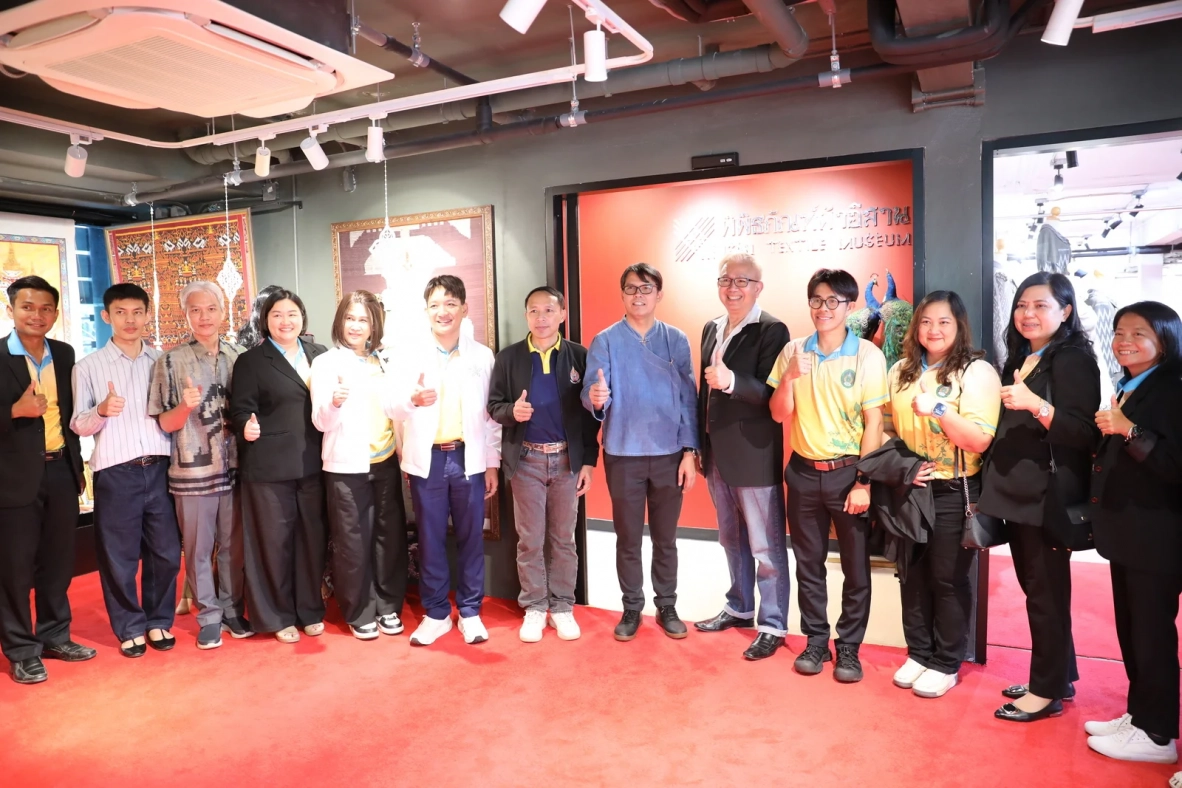
การดำเนินงานในครั้งนี้คือการต้อนรับ “คณะศึกษาดูงานจากมหาวิทยาลัยราชภัฏชัยภูมิ” เพื่อแลกเปลี่ยนเรียนรู้ด้านการพัฒนาผลิตภัณฑ์ผ้าและสิ่งทอพื้นถิ่น ซึ่งจัดขึ้นเมื่อวันที่ 30 มีนาคม 2569 ณ ศูนย์ออกแบบสร้างสรรค์ผ้าและสิ่งทอ (FTCDC) มหาวิทยาลัยราชภัฏอุดรธานี โดยได้รับเกียรติจาก ผู้ช่วยศาสตราจารย์ ดร.ธีระยุทธ์ เพ็งชัย รองอธิการบดี เป็นประธานกล่าวต้อนรับ โครงการนี้มีเหตุผลความจำเป็นในการยกระดับคุณค่าผ้าและสิ่งทอพื้นบ้านอีสาน จากภูมิปัญญาท้องถิ่นดั้งเดิมสู่ผลิตภัณฑ์สร้างสรรค์มูลค่าสูงที่มีคุณภาพได้มาตรฐานสากล การศึกษาดูงานและแลกเปลี่ยนเรียนรู้ระหว่างสถาบันอุดมศึกษาในภูมิภาคเป็นกลไกเชิงยุทธศาสตร์ที่ช่วยลดความเหลื่อมล้ำทางเศรษฐกิจของชุมชนท้องถิ่น ผ่านการนำศาสตร์การออกแบบสมัยใหม่และนวัตกรรมมาประยุกต์ใช้ เพื่อสร้างโอกาสในการสร้างงาน สร้างรายได้ และต่อยอดเศรษฐกิจสร้างสรรค์ของท้องถิ่นอย่างเป็นรูปธรรม
กิจกรรมและการดำเนินงาน
เมื่อวันที่ 30 มีนาคม 2569 กระบวนการดำเนินงานได้ขับเคลื่อนผ่านกิจกรรมแลกเปลี่ยนเรียนรู้และถอดบทเรียนการพัฒนาผลิตภัณฑ์ผ้าอย่างครบวงจร กิจกรรมหลักประกอบด้วย การบรรยายและหารือเกี่ยวกับแนวทางการพัฒนาผลิตภัณฑ์สิ่งทออีสาน ครอบคลุมตั้งแต่กระบวนการออกแบบ การสร้างสรรค์ลวดลายร่วมสมัย การเพิ่มมูลค่าให้แก่ผลิตภัณฑ์ ตลอดจนการรักษาอัตลักษณ์ทางวัฒนธรรมดั้งเดิมของชุมชน นอกจากนี้ คณะศึกษาดูงานยังได้เข้าเยี่ยมชมพิพิธภัณฑ์ผ้าอีสานภายในศูนย์ FTCDC ซึ่งเป็นแหล่งรวบรวมองค์ความรู้และจัดแสดงอัตลักษณ์วิถีชีวิตด้านผ้าทออีสาน เพื่อศึกษาแนวทางการบริหารจัดการพิพิธภัณฑ์และการต่อยอดภูมิปัญญาท้องถิ่นสู่การประกอบอาชีพเชิงพาณิชย์
ภาคีเครือข่ายความร่วมมือ (หุ้นส่วน)
ความสำเร็จของการเชื่อมโยงองค์ความรู้และนวัตกรรมสิ่งทอในครั้งนี้ เกิดจากการสร้างพันธมิตรความร่วมมือระหว่างสถาบันอุดมศึกษาเพื่อการพัฒนาท้องถิ่น นำโดย ศูนย์ออกแบบสร้างสรรค์ผ้าและสิ่งทอ (FTCDC) มหาวิทยาลัยราชภัฏอุดรธานี ในฐานะศูนย์กลางองค์ความรู้และนวัตกรรมผ้าทออีสาน ทำงานร่วมกับ คณะศึกษาดูงาน ผู้บริหาร และบุคลากร จากมหาวิทยาลัยราชภัฏชัยภูมิ เพื่อสร้างเครือข่ายความร่วมมือทางวิชาการและการพัฒนากำลังคน ร่วมกับกลุ่มเครือข่ายช่างทอผ้าและวิสาหกิจชุมชนในพื้นที่ภาคอีสานที่ได้รับการสนับสนุนจากทั้งสองสถาบัน
ผลผลิตจากโครงการ
จากการดำเนินโครงการดังกล่าว ส่งผลให้เกิดผลผลิตที่เป็นรูปธรรมคือ คณะผู้บริหารและบุคลากรศึกษาดูงานจากมหาวิทยาลัยราชภัฏชัยภูมิได้รับการถ่ายทอดและแลกเปลี่ยนองค์ความรู้ด้านการพัฒนาผลิตภัณฑ์สิ่งทออีสาน ยิ่งไปกว่านั้น ยังเกิดเครือข่ายความร่วมมือทางวิชาการและการพัฒนาผลิตภัณฑ์ผ้าทอพื้นถิ่นระหว่าง มหาวิทยาลัยราชภัฏอุดรธานี และ มหาวิทยาลัยราชภัฏชัยภูมิ ตลอดจนเกิดต้นแบบแนวทางการบริหารจัดการพิพิธภัณฑ์และการต่อยอดภูมิปัญญาผ้าทออีสานสู่มาตรฐานสากลที่พร้อมนำไปปรับใช้ในระดับพื้นที่
ผลลัพธ์
โครงการมุ่งสู่ผลลัพธ์ที่ครอบคลุม 2 มิติ ได้แก่:
มิติ SDG 10 (Reduced Inequalities - ลดความเหลื่อมล้ำ): ส่งเสริมความขยายตัวของการรวมกันทางสังคมและเศรษฐกิจสำหรับทุกคน โดยเฉพาะกลุ่มผู้ผลิตและชุมชนท้องถิ่น (Target 10.2) การยกระดับหัตถกรรมผ้าทอพื้นถิ่นผ่านนวัตกรรมและการออกแบบมาตรฐานสากล ช่วยสร้างความเข้มแข็งให้แก่เศรษฐกิจฐานราก เพิ่มโอกาสการเข้าถึงตลาดระดับสูง และลดช่องว่างความเหลื่อมล้ำทางรายได้ของชุมชนชนบทในภาคอีสาน
มิติ SDG 17 (Partnerships for the Goals - ความร่วมมือเพื่อการพัฒนาที่ยั่งยืน): เสริมสร้างความเข้มแข็งของหุ้นส่วนความร่วมมือระหว่างสถาบันเพื่อการพัฒนาที่ยั่งยืน ผ่านการแบ่งปันองค์ความรู้ เทคโนโลยี และความเชี่ยวชาญ (Target 17.16) ความร่วมมือระหว่าง มรภ.อุดรธานี และ มรภ.ชัยภูมิ สะท้อนถึงการสร้างกลไกเครือข่ายสถาบันอุดมศึกษาเพื่อการพัฒนาท้องถิ่นที่ร่วมกันขับเคลื่อนเศรษฐกิจสร้างสรรค์และอนุรักษ์มรดกทางวัฒนธรรมในระดับภูมิภาคอย่างยั่งยืน
FTCDC Welcomes Chaiyaphum Rajabhat University Delegation to Enhance Isan Textile Innovation and Global Standards
The Fabric and Textile Creative Design Center (FTCDC) at Udon Thani Rajabhat University hosts a delegation from Chaiyaphum Rajabhat University to exchange knowledge on local textile product development, design innovation, and cultural heritage preservation.
Context & Rationale
This regional textile innovation and academic synergy initiative involved hosting the visiting delegation from Chaiyaphum Rajabhat University, conducted on March 30, 2026, at the Fabric and Textile Creative Design Center (FTCDC), Udon Thani Rajabhat University. The delegation was formally welcomed by Vice President Asst. Prof. Dr. Teerayut Phengchai. The primary rationale of this inter-university knowledge exchange is to bridge economic disparities and elevate traditional Isan indigenous weaving techniques into high-value, market-competitive commodities that adhere to global quality standards. Facilitating collaborative learning frameworks among regional higher education institutions serves as a strategic catalyst to empower grassroots artisans, revitalize local cultural capital, and stimulate the regional creative economy sustainably.
Activities & Operations
On March 30, 2026, the operational sequence centered on a comprehensive knowledge-sharing workshop and observational tour. The main workflows included interactive panel discussions on Isan textile product development strategies, contemporary pattern design, value-addition techniques, and the preservation of authentic community heritage. Furthermore, the delegation conducted a guided field study at the Isan Textile Museum located within the FTCDC, analyzing its curated historical collections, wisdom preservation systems, and commercial design incubation models to apply these operational blueprints within their own institutional networks.
Multi-Stakeholder Partnerships
The successful orchestration of this inter-institutional collaboration was driven by a strategic academic partnership network. The host hub was led by the Fabric and Textile Creative Design Center (FTCDC) at Udon Thani Rajabhat University, operating as a regional center of excellence for textile innovation. This unit collaborated directly with visiting academic leaders and personnel from Chaiyaphum Rajabhat University, supported by local artisan networks and community weaving enterprises from both Udon Thani and Chaiyaphum provinces.
Project Outputs
As a direct outcome of these strategic operations, academic personnel and leaders from Chaiyaphum Rajabhat University gained comprehensive insights into advanced Isan textile design and management practices. Additionally, the initiative formalized a collaborative academic and technical partnership network connecting UDRU and CPRU. Ultimately, the project generated an adaptable operational model for textile museum management and heritage-based product commercialization, ready for implementation across regional communities.
Outcomes
The project aims for comprehensive outcomes across 2 key dimensions:
SDG 10 (Reduced Inequalities): Promotes the social, economic, and cultural inclusion of local artisan communities (Target 10.2). Modernizing indigenous textile crafts through design innovation and international quality standards empowers rural producers, increases market access, and reduces income disparities across Isan communities.
SDG 17 (Partnerships for the Goals): Enhances multi-stakeholder partnerships that mobilize and share knowledge, expertise, and technology to support sustainable development goals (Target 17.16). The institutional alignment between Udon Thani Rajabhat University and Chaiyaphum Rajabhat University establishes a sustainable regional higher education network dedicated to driving local creative economies and cultural preservation.
https://news.udru.ac.th/study-visit-chaiyaphum-rajabhat/