 SDG 2 — ขจัดความหิวโหย
 SDG 14 — การใช้ประโยชน์จากมหาสมุทรและทรัพยากรทางทะเล
อบรมเพาะเลี้ยงสัตว์น้ำเศรษฐกิจ-อนุรักษ์พันธุ์สัตว์น้ำในพื้นที่ชุ่มน้ำ
บริบทและเหตุผล
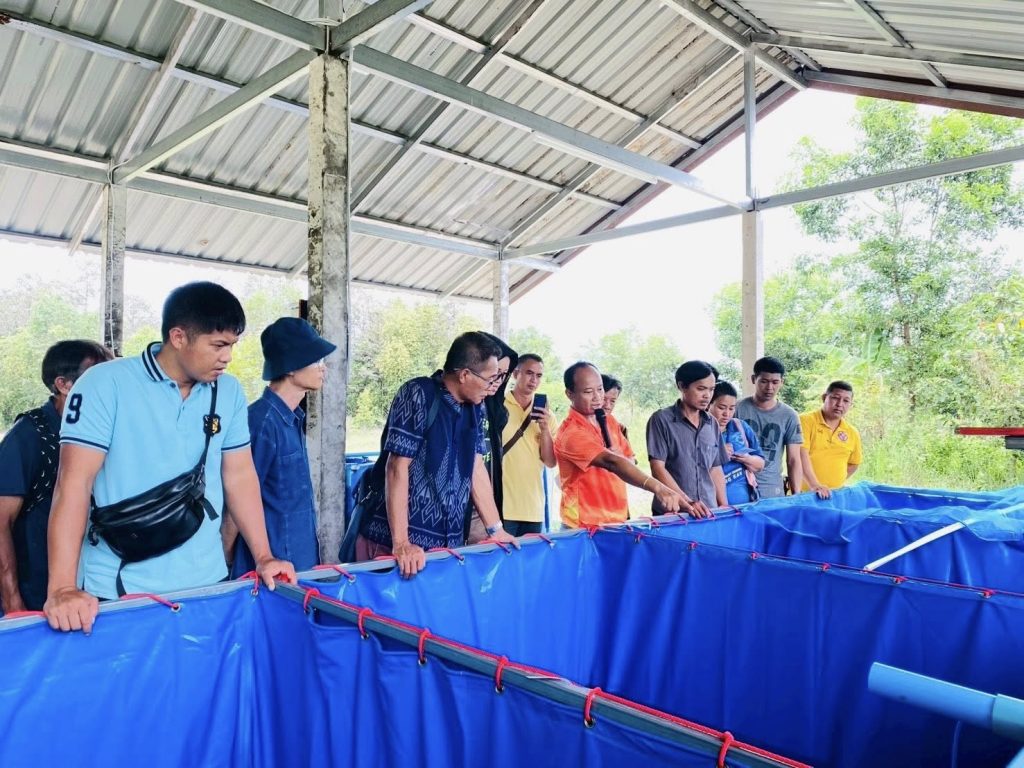
การดำเนินงานในครั้งนี้คือ “กิจกรรมที่ 6 การจัดกิจกรรมฝึกอบรมเชิงปฏิบัติการเพาะเลี้ยงสัตว์น้ำเศรษฐกิจและการอนุรักษ์พันธุ์สัตว์น้ำในพื้นที่ชุ่มน้ำ” ภายใต้โครงการศูนย์อนุรักษ์และจัดการพื้นที่ชุ่มน้ำภาคตะวันออกเฉียงเหนือ ซึ่งจัดขึ้นระหว่างวันที่ 24–25 พฤษภาคม 2568 ณ วิทยาลัยนวัตกรรมแห่งบึงกาฬ มหาวิทยาลัยราชภัฏอุดรธานี โดยได้รับเกียรติจาก ดร.วิบูล เป็นสุข รองอธิการบดี เป็นประธานในพิธีเปิดร่วมกับคณะทำงาน โครงการนี้จัดขึ้นโดยมีเหตุผลความจำเป็นในการส่งเสริมความรู้ด้านการเพาะเลี้ยงสัตว์น้ำเศรษฐกิจเพื่อสร้างความมั่นคงทางอาหารและสร้างรายได้แก่ชุมชน ควบคู่ไปกับการสร้างความตระหนักรู้ในการอนุรักษ์ฟื้นฟูทรัพยากรสัตว์น้ำและระบบนิเวศพื้นที่ชุ่มน้ำภาคตะวันออกเฉียงเหนือ มุ่งเน้นการยกระดับมาตรฐานฟาร์มเพาะเลี้ยงสัตว์น้ำจืดให้เป็นไปตามมาตรฐาน GAP และกฎหมายประมง เพื่อการใช้ประโยชน์จากทรัพยากรทางน้ำอย่างรับผิดชอบและยั่งยืน
กิจกรรมและการดำเนินงาน
ในระหว่างวันที่ 24–25 พฤษภาคม 2568 ได้มีการจัดหลักสูตรอบรมเชิงปฏิบัติการเข้มข้น 2 วัน กิจกรรมหลักประกอบด้วยการบรรยายให้ความรู้เกี่ยวกับกฎหมายการประมงน้ำจืด กฎหมายสิ่งแวดล้อม และแนวทางการอนุรักษ์คุ้มครองสัตว์น้ำ การถ่ายทอดมาตรฐานการปฏิบัติทางการเพาะเลี้ยงสัตว์น้ำที่ดี (Good Aquaculture Practice: GAP) และมาตรฐานฟาร์มเพาะเลี้ยงสัตว์น้ำจืด โดยวิทยากรเชี่ยวชาญจากสำนักงานประมงจังหวัดบึงกาฬ ตลอดจนการสาธิตเชิงปฏิบัติการลงมือทำจริงในการผสมพันธุ์ปลาตะเพียรขาว ซึ่งเป็นปลาเศรษฐกิจสำคัญ เพื่อให้ผู้เข้าร่วมนำเทคโนโลยีและทักษะไปประยุกต์ใช้ในฟาร์มและชุมชนของตนเอง
ภาคีเครือข่ายความร่วมมือ (หุ้นส่วน)
ความสำเร็จในการขับเคลื่อนโครงการอนุรักษ์และส่งเสริมอาชีพประมงในครั้งนี้ เกิดจากการผสานพลังของภาคีเครือข่ายระดับสถาบันอุดมศึกษาและหน่วยงานเชี่ยวชาญเฉพาะทางในพื้นที่ นำโดย วิทยาลัยนวัตกรรมแห่งบึงกาฬ มหาวิทยาลัยราชภัฏอุดรธานี (นำโดย ดร.วิบูล เป็นสุข รองอธิการบดี และคณะทำงานโครงการศูนย์อนุรักษ์และจัดการพื้นที่ชุ่มน้ำภาคตะวันออกเฉียงเหนือ) ทำงานร่วมกับ สำนักงานประมงจังหวัดบึงกาฬ ในฐานะหน่วยงานถ่ายทอดองค์ความรู้ด้านกฎหมาย มาตรฐาน GAP และเทคนิคการเพาะเลี้ยง ตลอดจนเกษตรกร ประชาชนในพื้นที่ชุ่มน้ำ และผู้สนใจการเพาะเลี้ยงสัตว์น้ำในจังหวัดบึงกาฬและพื้นที่ใกล้เคียง
ผลผลิตจากโครงการ จากการดำเนินโครงการดังกล่าว ส่งผลให้เกษตรกรและผู้เข้าร่วมได้รับองค์ความรู้ด้านกฎหมายประมงน้ำจืด มาตรฐานฟาร์ม GAP และเทคนิคการอนุรักษ์สัตว์น้ำในพื้นที่ชุ่มน้ำ ยิ่งไปกว่านั้น ผู้เข้าร่วมได้รับทักษะเชิงปฏิบัติการในการเพาะพันธุ์ปลาตะเพียรขาวเพื่อการค้าและการอนุรักษ์ ตลอดจนเกิดเป็นคู่มือและเครือข่ายเกษตรกรผู้เพาะเลี้ยงสัตว์น้ำจืดมาตรฐานในพื้นที่ชุ่มน้ำภาคตะวันออกเฉียงเหนือที่พร้อมขับเคลื่อนการประมงยั่งยืนต่อไป
ผลลัพธ์
โครงการมุ่งสู่ผลลัพธ์ที่ครอบคลุม 2 มิติ ได้แก่:
- มิติ SDG 2 (Zero Hunger - ขจัดความหิวโหย): สนับสนุนความมั่นคงทางการอาหารและการยกระดับโภชนาการในระดับท้องถิ่น ผ่านการส่งเสริมทักษะการเพาะเลี้ยงสัตว์น้ำเศรษฐกิจ (ปลาตะเพียร) ที่ได้มาตรฐาน GAP ช่วยเพิ่มแหล่งโปรตีนที่ปลอดภัยและเข้าถึงได้ง่ายในชุมชน พร้อมทั้งสร้างอาชีพและรายได้ที่มั่นคงให้แก่เกษตรกร
- มิติ SDG 14 (Life Below Water - ทรัพยากรทางน้ำ): ส่งเสริมการอนุรักษ์และการใช้ประโยชน์จากทรัพยากรแหล่งน้ำจืดและพื้นที่ชุ่มน้ำอย่างยั่งยืน โดยการสร้างความตระหนักรู้ด้านกฎหมายคุ้มครองสัตว์น้ำ การเพาะพันธุ์เพื่อปล่อยคืนสู่ธรรมชาติ และการทำฟาร์มประมงที่เป็นมิตรต่อสิ่งแวดล้อมเพื่อลดการจับสัตว์น้ำเกินขนาดและปกป้องความหลากหลายทางชีวภาพในแหล่งน้ำธรรมชาติ
Udon Thani Rajabhat University Signs MOU with Wat Pa Dong Nong Tan to Integrate Research, Cultural Conservation, and Community Economic Development
The Office of Arts and Culture at Udon Thani Rajabhat University enters into a Memorandum of Understanding (MOU) with Wat Pa Dong Nong Tan to drive community-based research, promote cultural and environmental knowledge, and support grassroots economic sustainability.
Context & Rationale
This aquatic resource initiative centered on Activity 6: "Practical Workshop on Economic Aquaculture and Freshwater Species Conservation in Wetland Areas," conducted under the Northeastern Wetland Conservation and Management Center Project. Held from May 24 to 25, 2025, at Bueng Kan Innovation College, Udon Thani Rajabhat University, the opening ceremony was presided over by Vice President Dr. Wiboon Pensuk alongside the working committee. The primary rationale of this initiative is to enhance local economic aquaculture competencies to drive food security and rural livelihoods, while concurrently fostering awareness regarding the conservation and restoration of wetland ecosystems across the Northeastern region. By aligning local freshwater farming with Good Aquaculture Practice (GAP) standards and national fisheries legislation, the project promotes responsible and sustainable utilization of aquatic resources.
Activities & Operations
From May 24 to 25, 2025, an intensive 2-day practical workshop was successfully executed. Key operational activities included technical lectures on freshwater fisheries laws, environmental protection regulations, and aquatic species conservation strategies. Experts from the Bueng Kan Provincial Fisheries Office delivered specialized sessions on Good Aquaculture Practice (GAP) standards and freshwater farm certification. Furthermore, the workshop featured hands-on practical demonstrations on the artificial breeding of Java barb (Barbonymus gonionotus), a key economic freshwater fish, enabling participants to apply advanced breeding techniques directly within their farms and communities.
Multi-Stakeholder Partnerships
The successful execution of this aquatic conservation and vocational development program relied on a strong collaboration between regional higher education and specialized provincial authorities. The academic and operational lead was driven by Bueng Kan Innovation College, Udon Thani Rajabhat University (led by Vice President Dr. Wiboon Pensuk and the Northeastern Wetland Conservation Center team). This academic unit worked in direct partnership with the Bueng Kan Provincial Fisheries Office, which provided regulatory expertise, GAP training, and technical breeding instruction, alongside local wetland farmers and aquaculture enthusiasts from Bueng Kan and surrounding provinces.
Project Outputs
As a direct outcome of these joint operations, local farmers and participants gained comprehensive knowledge of freshwater fisheries regulations, GAP farm standards, and wetland biodiversity conservation. Moreover, trainees acquired practical proficiencies in Java barb breeding for commercial and conservation purposes. Ultimately, the program established a network of certified freshwater aquaculture farmers committed to sustainable fisheries practices across Northeastern wetland ecosystems.
Outcomes
The project aims for comprehensive outcomes across 2 key dimensions:
- SDG 2 (Zero Hunger): Supports local food security and improved nutrition by promoting standardized economic aquaculture (Java barb breeding) under GAP guidelines, providing accessible, high-quality protein sources for communities while generating sustainable agricultural income.
- SDG 14 (Life Below Water / Freshwater Ecosystems): Promotes the conservation and sustainable management of inland water resources and wetlands by enhancing legal compliance, supporting stock enhancement through captive breeding, and advancing eco-friendly farming practices to prevent overexploitation and safeguard aquatic biodiversity.
https://bk1.udru.ac.th/วิทยาลัยนวัตกรรมแห่งบ-23/