 SDG 4 — การศึกษาที่มีคุณภาพ
  SDG 10 — การลดความเหลื่อมล้ำ
 โครงการพัฒนา Soft Skill
บริบทและเหตุผล
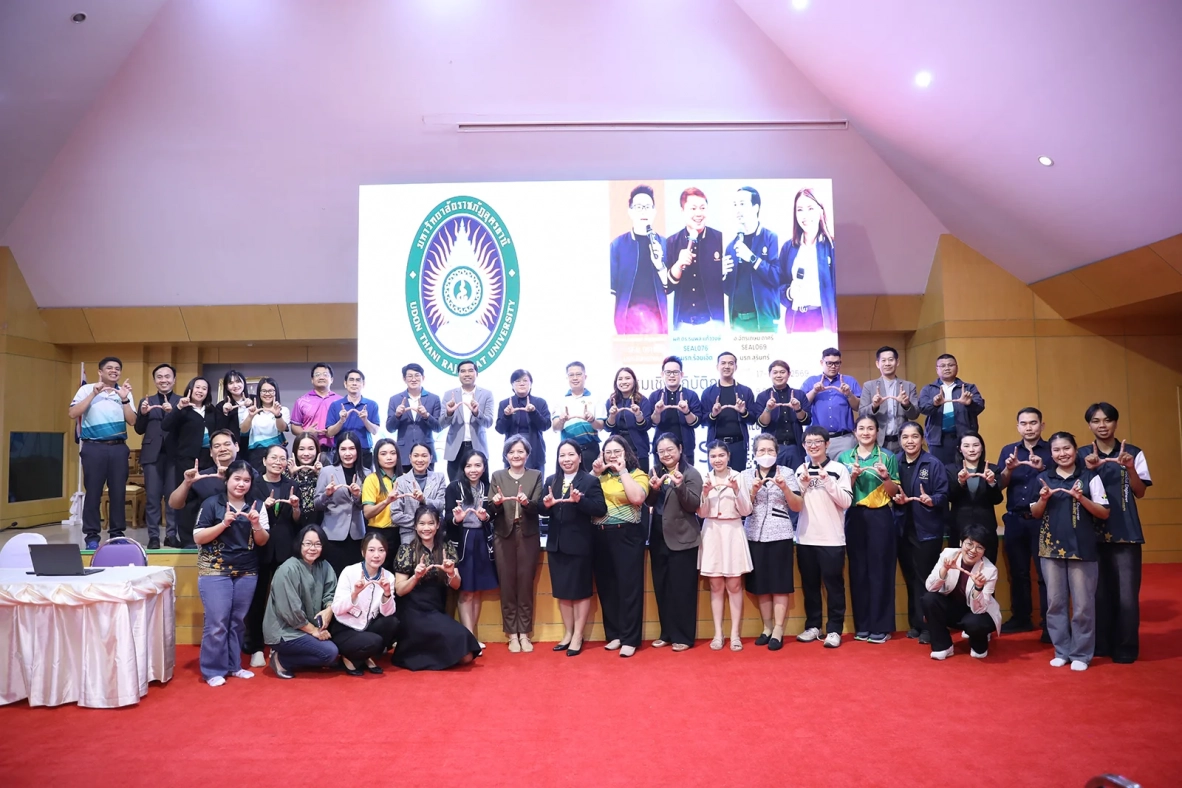
การดำเนินงานในครั้งนี้คือการจัด “โครงการพัฒนา Soft Skill เพื่อสร้างความเข้มแข็งให้กลุ่มเปราะบาง โดยใช้เครื่องมือวิศวกรสังคม” ภายใต้กิจกรรมอบรมเชิงปฏิบัติการพัฒนาทักษะวิทยากรกระบวนการและการเป็นที่ปรึกษา (Coaching & Facilitator วิศวกรสังคม) ซึ่งเริ่มต้นการดำเนินงานเมื่อวันที่ 17 กุมภาพันธ์ 2569 ณ ห้องประชุมชั้น 2 อาคาร 17 มหาวิทยาลัยราชภัฏอุดรธานี โดยได้รับเกียรติจาก ผู้ช่วยศาสตราจารย์ ดร.คณิศรา ธัญสุนทรสกุล รักษาราชการแทนอธิการบดี เป็นประธานในพิธีเปิดและมอบแนวทาง โครงการนี้มีเหตุผลความจำเป็นในการสร้างความเข้มแข็งและลดความเหลื่อมล้ำให้แก่กลุ่มเปราะบางในสังคม ผ่านการติดอาวุธทางปัญญาและยกระดับทักษะทางสังคม (Soft Skills) ให้แก่นักศึกษาและอาจารย์ที่ปรึกษา โดยใช้เครื่องมือวิศวกรสังคมเป็นกลไกหลักเพื่อขับเคลื่อนนวัตกรรมเชิงพื้นที่ อันเป็นการตอบสนองต่อพันธกิจของมหาวิทยาลัยราชภัฏในการเป็นสถาบันอุดมศึกษาเพื่อการพัฒนาท้องถิ่นอย่างยั่งยืน
กิจกรรมและการดำเนินงาน
กระบวนการดำเนินงานแบ่งออกเป็น 2 เฟสหลัก โดยเฟสแรกจัดขึ้นเมื่อวันที่ 17 กุมภาพันธ์ 2569 เป็นการฝึกอบรมเชิงปฏิบัติการอย่างเข้มข้น (Hands-on Workshop) เพื่อพัฒนาทักษะการเป็นผู้นำกระบวนการเรียนรู้ (Facilitator) และการเป็นโค้ช (Coach) ในการให้คำปรึกษาและสะท้อนความคิด ผ่านการถ่ายทอดองค์ความรู้จากทีมวิทยากรผู้เชี่ยวชาญด้านกระบวนการวิศวกรสังคม หน่วย SEAL ทั้งภายในและภายนอกมหาวิทยาลัย จากนั้นในเฟสที่สอง จะเป็นการระดมสรรพกำลังลงพื้นที่ภาคสนามเพื่อปฏิบัติงานจริงในชุมชนเป้าหมาย ระหว่างวันที่ 27 กุมภาพันธ์ ถึง 1 มีนาคม 2569 ณ พื้นที่ตำบลโคกม่วง อำเภอโนนสัง จังหวัดหนองบัวลำภู ครอบคลุมพื้นที่จำนวน 10 หมู่บ้าน เพื่อประยุกต์ใช้องค์ความรู้ในการร่วมสร้างสรรค์ “นวัตกรรมสังคมเพื่อกลุ่มเปราะบาง” ร่วมกับคนในชุมชน
ภาคีเครือข่ายความร่วมมือ (หุ้นส่วน)
ความสำเร็จในการขับเคลื่อนนวัตกรรมสังคมเชิงพื้นที่ในครั้งนี้ เกิดจากการผสานความร่วมมือระหว่างภาคส่วนต่างๆ อย่างเป็นระบบ นำโดย กองพัฒนานักศึกษา มหาวิทยาลัยราชภัฏอุดรธานี ทำงานร่วมกับทีมวิทยากรผู้เชี่ยวชาญหน่วย SEAL ทั้งในและนอกสถาบัน โดยมีกลุ่มเป้าหมายภายในเป็นอาจารย์ที่ปรึกษา บุคลากร และนักศึกษาแกนนำเข้าร่วมจำนวน 45 คน ยิ่งไปกว่านั้น โครงการยังได้สร้างภาคีเครือข่ายร่วมกับกลไกการปกครองส่วนท้องถิ่นและภาคประชาชนในพื้นที่ 10 หมู่บ้านของตำบลโคกม่วง อำเภอโนนสัง จังหวัดหนองบัวลำภู เพื่อร่วมกันเปลี่ยนผ่านชุมชนสู่ความยั่งยืน
ผลผลิตจากโครงการ
จากการดำเนินโครงการดังกล่าว ส่งผลให้เกิดผลผลิตที่เป็นรูปธรรมคือ ทีมโค้ชอาจารย์และนักศึกษาแกนนำวิศวกรสังคมที่ผ่านการฝึกอบรมทักษะระดับสูงจำนวน 45 คน ยิ่งไปกว่านั้น ยังเกิดชุดองค์ความรู้และเครื่องมือวิศวกรสังคมที่พร้อมนำไปปรับใช้ในระดับพื้นที่ ตลอดจนเกิดแผนงานและโมเดล “นวัตกรรมสังคมเพื่อกลุ่มเปราะบาง” ที่ได้รับการพัฒนาร่วมกับชุมชนเป้าหมายจำนวน 10 หมู่บ้านในจังหวัดหนองบัวลำภู ซึ่งเป็นต้นแบบในการยกระดับคุณภาพชีวิตและกระจายโอกาสสู่กลุ่มผู้ขาดแคลนในสังคม
ผลลัพธ์
โครงการมุ่งสู่ผลลัพธ์ที่ครอบคลุม 2 มิติ ได้แก่:
มิติ SDG 4 (Quality Education - การศึกษาที่เท่าเทียมและมีคุณภาพ): ส่งเสริมการเข้าถึงการศึกษาและการฝึกอบรมทักษะวิชาชีพที่มีคุณภาพเพื่อศตวรรษที่ 21 (Target 4.4) การอบรมวิศวกรสังคมในรูปแบบ Hands-on Workshop ช่วยพัฒนา Soft Skills ทักษะการคิดวิเคราะห์ และทักษะการเป็นผู้นำกระบวนการให้แก่นักศึกษาและบุคลากรทางการศึกษา ซึ่งเป็นการยกระดับสมรรถนะที่ตอบโจทย์การพัฒนาชุมชนและการทำงานจริงในอนาคตได้อย่างมีประสิทธิภาพ
มิติ SDG 10 (Reduced Inequalities - ลดความเหลื่อมล้ำ): มุ่งเน้นการส่งเสริมความร่วมมือทางสังคม เศรษฐกิจ และการเมืองของทุกคน โดยไม่คำนึงถึงสถานะใดๆ เพื่อลดความเหลื่อมล้ำในสังคม (Target 10.2) การลงพื้นที่ 10 หมู่บ้านเพื่อสร้างนวัตกรรมสังคมสำหรับกลุ่มเปราะบาง ช่วยให้กลุ่มผู้ด้อยโอกาสได้รับการดูแล ฟื้นฟูศักยภาพ และเข้าถึงโอกาสในการพัฒนาคุณภาพชีวิต ช่วยเสริมสร้างความเข้มแข็งจากฐานรากและลดช่องว่างทางสังคมอย่างเป็นรูปธรรม
Udon Thani Rajabhat University Launches Social Engineer Soft Skills Program to Empower Vulnerable Groups and Local Communities
The Student Development Division at Udon Thani Rajabhat University organizes the "Social Engineer Coaching & Facilitator" capacity-building workshop and field deployment to co-create social innovations for vulnerable groups across 10 villages.
Context & Rationale
This social development initiative involved the systematic deployment of the "Soft Skills Development Project to Empower Vulnerable Groups Using Social Engineering Tools," executed under the Coaching & Facilitator capacity-building framework. The initiative commenced its institutional phase on February 17, 2026, at the 2nd Floor Conference Room, Building 17, Udon Thani Rajabhat University, officially opened by Acting President Asst. Prof. Dr. Khanisara Thansunthonsakul. The primary rationale of this intervention is to mitigate social disparity and empower vulnerable populations by equipping university students and faculty advisors with advanced interpersonal and analytical competencies (Soft Skills). By leveraging standard Social Engineering toolkits, the project functions as a vehicle for grassroots social innovation, fulfilling Rajabhat University's core mandate as a higher education institution dedicated to sustainable local transformation.
Activities & Operations
The operational phase was structured into two distinct tactical cycles. The first cycle, conducted on February 17, 2026, featured an intensive, experiential hands-on workshop led by the internal and external SEAL Social Engineer expert teams to develop core competencies in learning facilitation and cognitive coaching. The subsequent operational cycle involves an extended field deployment scheduled from February 27 to March 1, 2026, across 10 target villages in Khok Muang Sub-district, Non Sang District, Nong Bua Lamphu Province. During this field intervention, participants practicalize their coaching and facilitation modules to co-design and implement concrete "Social Innovations for Vulnerable Groups" directly tailored to rural community realities.
Multi-Stakeholder Partnerships
The successful implementation of this targeted regional development project relied on a cohesive multi-stakeholder alliance. The administrative core was managed by the Student Development Division of Udon Thani Rajabhat University, working in synchronization with specialized internal and external SEAL expert teams. This academic block trained an initial cohort of 45 core faculty advisors, student developers, and university staff. Ultimately, the operational network was expanded to incorporate local government administrators and grassroots citizen leaders across 10 target rural villages in Nong Bua Lamphu Province, constructing a collaborative network for long-term community resilience.
Project Outputs
As a direct outcome of these strategic operations, a professional squad consisting of 45 certified Social Engineer coaches and student facilitators was successfully established. Additionally, the initiative yielded a set of adaptable Social Engineering diagnostic toolkits optimized for immediate community deployment. Ultimately, the project generated contextualized "Social Innovations for Vulnerable Groups" models developed across 10 rural villages, establishing a reproducible framework for elevating local livelihoods and extending socio-economic opportunities to marginalized populations.
Outcomes
The project aims for comprehensive outcomes across 2 key dimensions:
SDG 4 (Quality Education): Substantially increases the number of youth and adults who possess relevant, advanced skills—including technical, vocational, and cognitive soft skills—for employment, decent jobs, and socio-economic contribution (Target 4.4). Transitioning pedagogy into a hands-on facilitation and coaching workshop equips university students and educators with 21st-century competencies vital for active local development and lifelong learning.
SDG 10 (Reduced Inequalities): Directly empowers and promotes the social, economic, and political inclusion of all, irrespective of age, sex, disability, race, ethnicity, or economic status (Target 10.2). Deploying social innovators to co-create grassroot models across 10 vulnerable villages ensures that underserved groups receive socio-economic support, reducing regional disparities and fostering inclusive community development.
https://news.udru.ac.th/a-soft-skills-development-project-to-strengthen-vulnerable-groups-using-the-social-engineering-tool/