 SDG 2 — ขจัดความหิวโหย
 SDG 12 — แผนการบริโภคและการผลิตที่ยั่งยืน
 SDG 15 — การใช้ประโยชน์จากระบบนิเวศทางบก
2568-2569
SDG 15 — การใช้ประโยชน์จากระบบนิเวศทางบก
2568-2569
UDRU ร่วมใจ ปลูกผักกินเอง
บริบทและเหตุผล
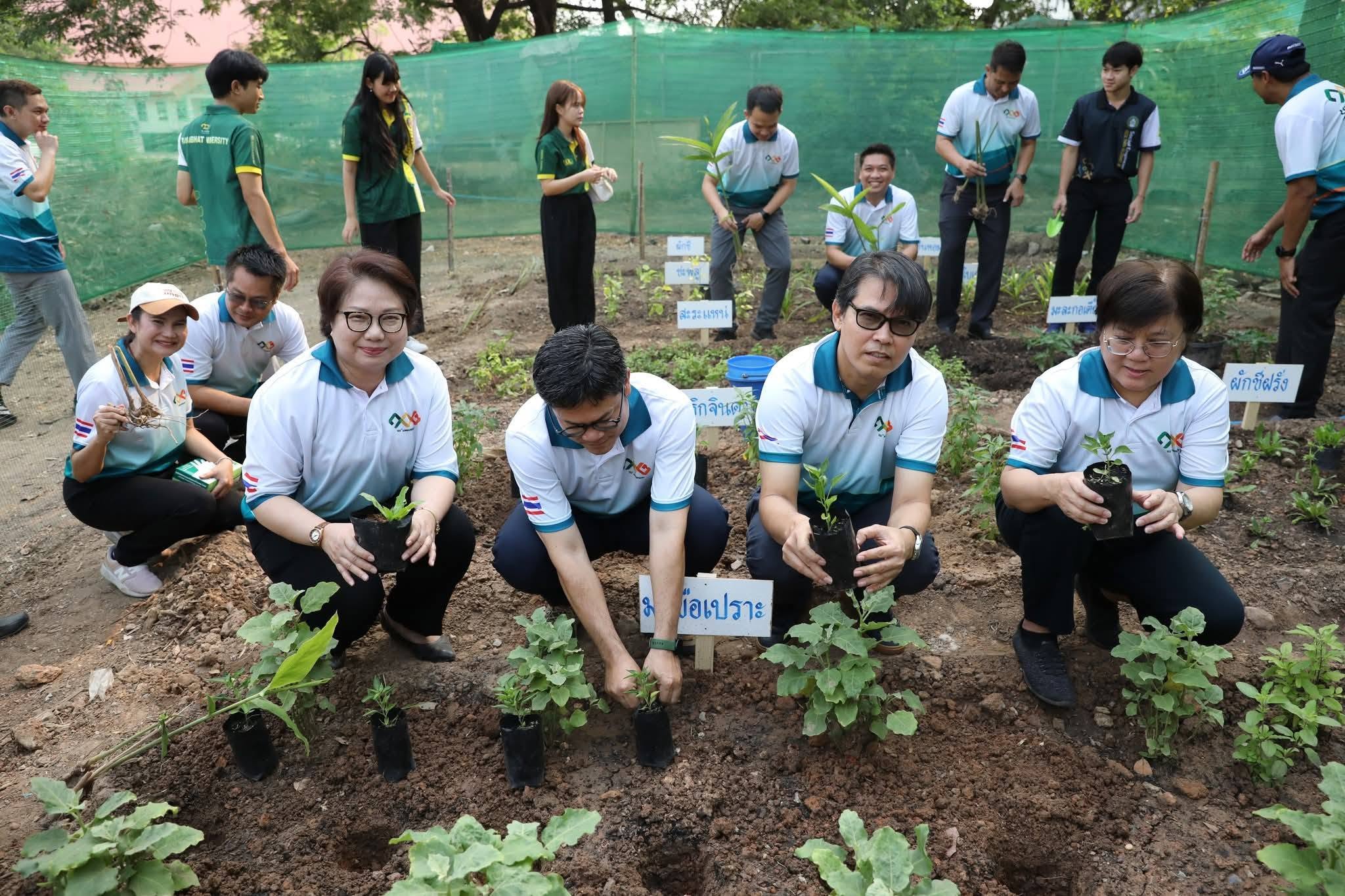
การดำเนินงานในครั้งนี้คือการจัดกิจกรรม “UDRU ร่วมใจ ปลูกผักกินเอง” ภายใต้โครงการ “บ้านนี้มีรัก ปลูกผักกินเอง” ซึ่งจัดขึ้นเมื่อวันที่ 28 เมษายน 2569 ณ “สวนผักฮักมอ” บริเวณแปลงปลูกข้างฝ่ายภูมิทัศน์ มหาวิทยาลัยราชภัฏอุดรธานี โดยมี ผู้ช่วยศาสตราจารย์ ดร.คณิศรา ธัญสุนทรสกุล อธิการบดี เป็นประธานในพิธีเปิดพร้อมนำคณะผู้บริหารร่วม Kick off โครงการนี้มีเหตุผลความจำเป็นในการน้อมนำหลักปรัชญาของเศรษฐกิจพอเพียงมาปรับใช้ในระดับองค์กรและครัวเรือน เพื่อส่งเสริมความมั่นคงทางอาหาร การพึ่งพาตนเอง และระบบเกษตรกรรมยั่งยืน การสร้างพื้นที่เกษตรกรรมชุมชนภายในมหาวิทยาลัยนอกจากจะช่วยสร้างแหล่งอาหารปลอดภัย ตระหนักถึงการใช้ทรัพยากรอย่างคุ้มค่า และลดขยะอาหารแล้ว ยังเป็นกลไกสำคัญในการฟื้นฟูระบบนิเวศบนบก อนุรักษ์ความหลากหลายทางชีวภาพ และขับเคลื่อน UDRU สู่การเป็นองค์กรสีเขียวอย่างยั่งยืน
กิจกรรมและการดำเนินงาน
เมื่อวันที่ 28 เมษายน 2569 กระบวนการดำเนินงานได้เปิดฉากขึ้นอย่างเป็นรูปธรรมด้วยกิจกรรม Kick off การปลูกผักสวนครัวร่วมกัน กิจกรรมหลักประกอบด้วย การเตรียมแปลงเกษตรอินทรีย์และการปรับปรุงดิน ณ บริเวณสวนผักฮักมอ การร่วมกันปลูกผักสวนครัวเพื่อการบริโภคโดยกลุ่มผู้บริหารและบุคลากรสายสนับสนุน เพื่อเป็นต้นแบบการพึ่งพาตนเอง ตลอดจนการถ่ายทอดองค์ความรู้ด้านเกษตรกรรมยั่งยืน การดูแลรักษาผักสวนครัวปลอดสารพิษ การอนุรักษ์ดินและน้ำ และการวางแผนต่อยอดผลผลิตเพื่อนำมาแบ่งปันภายในประชาคมมหาวิทยาลัยและชุมชนรอบข้าง
ภาคีเครือข่ายความร่วมมือ (หุ้นส่วน)
ความสำเร็จในการขับเคลื่อนโครงการเกษตรกรรมยั่งยืนในครั้งนี้ เกิดจากการผนึกกำลังความร่วมมือภายในองค์กรอย่างเข้มแข็ง นำโดย คณะผู้บริหารมหาวิทยาลัยราชภัฏอุดรธานี ร่วมกับ ฝ่ายภูมิทัศน์ สำนักงานอธิการบดี ในฐานะหน่วยงานสนับสนุนพื้นที่และการเตรียมแปลงปลูก ทำงานประสานกับ บุคลากรสายสนับสนุน และ ประชาคม UDRU จากทุกหน่วยงานภายในมหาวิทยาลัย ที่ร่วมกันดูแลพื้นที่แปลงเกษตรเมืองเพื่อความยั่งยืนร่วมกัน
ผลผลิตจากโครงการ
จากการดำเนินโครงการดังกล่าว ส่งผลให้เกิดผลผลิตที่เป็นรูปธรรมคือ แปลงปลูกผักสวนครัวสาธิต “สวนผักฮักมอ” จำนวน 1 แห่ง ที่เปิดเป็นพื้นที่เรียนรู้และผลิตอาหารปลอดภัยภายในมหาวิทยาลัย ยิ่งไปกว่านั้น ยังเกิดกลุ่มคณะผู้บริหารและบุคลากรนำร่องที่เป็นต้นแบบในการพึ่งพาตนเองตามหลักเศรษฐกิจพอเพียง ตลอดจนเกิดผลผลิตผักสวนครัวปลอดสารพิษสำหรับการบริโภคและแบ่งปันภายในประชาคม UDRU เพื่อลดภาระค่าครองชีพและเสริมสร้างโภชนาการที่ดี
ผลลัพธ์
โครงการมุ่งสู่ผลลัพธ์ที่ครอบคลุม 3 มิติ ได้แก่:
มิติ SDG 2 (Zero Hunger - ยุติความหิวโหย): ส่งเสริมความมั่นคงทางอาหาร ยุติความหิวโหย บรรลุความมั่นคงทางอาหาร และสนับสนุนเกษตรกรรมยั่งยืน (Target 2.1 และ 2.4) การส่งเสริมการปลูกผักสวนครัวเพื่อการบริโภคภายในช่วยเพิ่มการเข้าถึงอาหารที่มีโภชนาการ ปลอดภัย และราคาเข้าถึงได้สำหรับบุคลากรและประชาคม
มิติ SDG 12 (Responsible Consumption and Production - การบริโภคและการผลิตที่ยั่งยืน): ส่งเสริมรูปแบบการบริโภคและการผลิตที่ยั่งยืน ผ่านการจัดการทรัพยากรธรรมชาติอย่างชาญฉลาดและการลดของเสีย (Target 12.2 และ 12.5) การผลิตอาหารบริโภคเองตามหลักเศรษฐกิจพอเพียงช่วยลดการพึ่งพารายจ่ายภายนอก ลดขยะบรรจุภัณฑ์จากการซื้อสินค้า และสร้างจิตสำนึกในการใช้ทรัพยากรอย่างคุ้มค่า
มิติ SDG 15 (Life on Land - ปกป้อง ฟื้นฟู และส่งเสริมการใช้ประโยชน์จากระบบนิเวศบนบก): อนุรักษ์ ฟื้นฟู และส่งเสริมการใช้ประโยชน์จากระบบนิเวศบนบกอย่างยั่งยืน และหยุดยั้งการสูญเสียความหลากหลายทางชีวภาพ (Target 15.1 และ 15.9) การปรับปรุงพื้นที่ข้างฝ่ายภูมิทัศน์เป็นแปลงผักอินทรีย์ช่วยเพิ่มพื้นที่สีเขียว ปรับปรุงคุณภาพดิน และส่งเสริมความหลากหลายทางชีวภาพในพื้นที่เมือง
Udon Thani Rajabhat University Kicks Off "UDRU Joins Hands: Homegrown Vegetables" Initiative to Promote Sufficiency Economy and Campus Food Security
Udon Thani Rajabhat University launches the "Homegrown Vegetables in Loving Homes" project at the "Suan Phak Hug Mor" campus garden, uniting executives and staff to cultivate organic vegetables, foster self-reliance, and advance a sustainable green university ecosystem.
Context & Rationale This urban agriculture and environmental sustainability initiative involved the execution of the "UDRU Joins Hands: Homegrown Vegetables" event under the "Homegrown Vegetables in Loving Homes" project, launched on April 28, 2026, at "Suan Phak Hug Mor" garden near the Landscape Division, Udon Thani Rajabhat University. The kickoff ceremony was presided over by President Asst. Prof. Dr. Khanisara Thansunthonsakul, alongside executive board members and support staff. The primary rationale of this intervention is to apply His Majesty the King's Sufficiency Economy Philosophy to foster localized food security, self-reliance, and sustainable agricultural practices. Cultivating a community garden on campus reduces food expenses, minimizes organic waste, and conserves terrestrial ecosystems, acting as a crucial engine to steer UDRU toward becoming a sustainable green university and a sharing-oriented society.
Activities & Operations On April 28, 2026, the operational sequence commenced with a collaborative garden planting event. Key workflows included soil preparation and organic bed management at the "Suan Phak Hug Mor" site. University leaders and administrative staff actively participated in planting diverse vegetable crops as a model for household self-reliance. Additionally, the event integrated informal knowledge sharing on organic farming techniques, chemical-free pest management, soil conservation, and post-harvest distribution planning to share yields among campus community members and neighboring neighborhoods.
Multi-Stakeholder Partnerships The successful execution of this campus sustainability project relied on strong internal coalition-building. Spearheaded by the executive leadership of Udon Thani Rajabhat University, the initiative was co-managed by the Landscape Division (Office of the President) as the primary spatial and agricultural facilitator. This administrative unit partnered directly with support personnel unions and the broader UDRU internal community, establishing a collective stewardship network for urban campus farming.
Project Outputs As a direct outcome of these strategic operations, the "Suan Phak Hug Mor" demonstration organic garden was officially operationalized as a living lab for urban agriculture. Additionally, the initiative established a pilot network of executive and staff sustainability champions demonstrating Sufficiency Economy practices. Ultimately, the project generated an initial supply of chemical-free vegetables dedicated to internal consumption and community sharing, enhancing nutritional security and lowering daily living costs.
Outcomes
The project aims for comprehensive outcomes across 3 key dimensions:
SDG 2 (Zero Hunger): End hunger, achieve food security, improved nutrition, and promote sustainable agriculture (Target 2.1 & 2.4). Promoting campus-based organic vegetable production enhances direct access to nutritious, safe, and affordable food resources for university personnel.
SDG 12 (Responsible Consumption and Production): Ensures sustainable consumption and production patterns through efficient natural resource management and waste reduction (Target 12.2 & 12.5). Producing food locally under Sufficiency Economy principles reduces packaging waste, optimizes resource utilization, and fosters responsible consumption habits.
SDG 15 (Life on Land): Protects, restores, and promotes sustainable use of terrestrial ecosystems and halts biodiversity loss (Target 15.1 & 15.9). Converting vacant campus land into an organic garden expands urban green spaces, restores soil health, and enhances local botanical biodiversity.
https://news.udru.ac.th/udru-grow-vegetables/