 SDG 11 — เมืองและถิ่นฐานมนุษย์อย่างยั่งยืน
โครงการ Workshop การย้อมครามเส้นไหมและการออกแบบสีธรรมชาติ
บริบทและเหตุผล (Context and Rationale) เมื่อวันที่ 21 กรกฎาคม 2568 ณ ชั้น 1 อาคารศูนย์ออกแบบสร้างสรรค์ผ้าและสิ่งทอ (FTCDC) มหาวิทยาลัยราชภัฏอุดรธานี ได้มีการจัดกิจกรรม Workshop เกี่ยวกับเทคนิคการย้อมครามเส้นไหม โครงการนี้มีรากฐานสำคัญจากการบูรณาการภูมิปัญญาท้องถิ่นด้านการทอผ้า และนวัตกรรมการออกแบบสีธรรมชาติ (Research and Innovation) มีวัตถุประสงค์เพื่อถ่ายทอดทักษะ เทคนิค และวิธีการตั้งแต่ขั้นตอนเริ่มต้นจนได้เป็นผ้าย้อมครามที่มีคุณภาพ โดยเน้นการย้อมเส้นไหมด้วยครามให้ได้สีสันที่สวยงาม สามารถนำไปใช้ปฏิบัติงานจริงเพื่อเพิ่มมูลค่าให้แก่ผลิตภัณฑ์ชุมชน
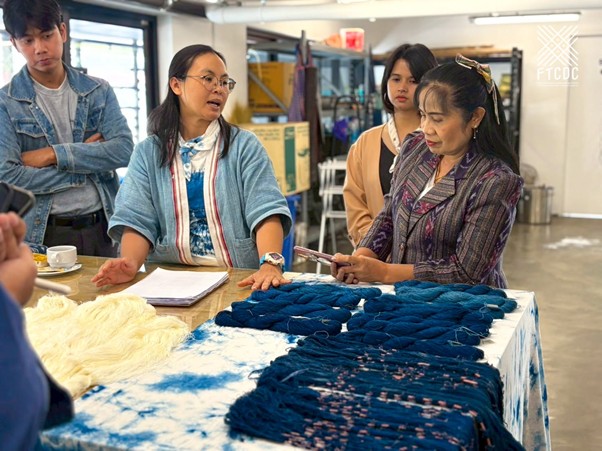
กิจกรรมและการดำเนินงาน (Activities and Operations) ในการจัดกิจกรรมซึ่งจัดขึ้นเมื่อวันที่ 21 กรกฎาคม 2568 เวลา 09.00 - 16.00 น. ได้มีการจัดอบรมเชิงปฏิบัติการ (Workshop) ที่เผยแพร่เทคนิคอย่างหมดเปลือก ตั้งแต่การเตรียมวัตถุดิบ การก่อหม้อคราม เทคนิคการย้อมเส้นไหมให้ติดสีสม่ำเสมอ จนถึงการนำไปประยุกต์ใช้ในการสร้างสรรค์ผลิตภัณฑ์ผ้า กิจกรรมดังกล่าวมีความเชื่อมโยงอย่างแนบแน่นกับการจัดการเรียนการสอนและการบริการวิชาการ (Teaching & Outreach) โดยมอบพื้นที่ให้ผู้สนใจได้ลงมือปฏิบัติจริงกับผู้เชี่ยวชาญ เพื่อพัฒนาทักษะวิชาชีพที่สามารถนำไปประกอบอาชีพและสร้างรายได้
ภาคีเครือข่ายความร่วมมือ (หุ้นส่วน) (Partnerships) ความสำเร็จของการจัด Workshop ในครั้งนี้ สะท้อนถึงการบริหารจัดการและการสนับสนุนทรัพยากรภายใน (Stewardship) ของมหาวิทยาลัยราชภัฏอุดรธานี ผ่านศูนย์ออกแบบสร้างสรรค์ผ้าและสิ่งทอ (FTCDC) ตลอดจนการสร้างเครือข่ายความร่วมมือในระดับปฏิบัติการ (Partnerships) กับกลุ่มผู้สนใจ ช่างทอผ้า และผู้ประกอบการท้องถิ่น ในการร่วมกันอนุรักษ์และขับเคลื่อนนวัตกรรมสิ่งทอที่ใช้สีธรรมชาติอย่างเป็นรูปธรรม
ผลลัพธ์ (Outcomes) โครงการมุ่งสู่ผลลัพธ์ที่ครอบคลุม 1 มิติ ได้แก่:
- มิติ SDG 11 (Sustainable Cities and Communities): โครงการ (จัดขึ้นเมื่อวันที่ 21 กรกฎาคม 2568) สนับสนุนการปกป้องและคุ้มครองมรดกทางวัฒนธรรมและภูมิปัญญาท้องถิ่น ผ่านการจัด Workshop ถ่ายทอดเทคนิคการย้อมเส้นไหมด้วยครามธรรมชาติ ซึ่งไม่เพียงแต่ช่วยสืบสานอัตลักษณ์งานหัตถกรรมสิ่งทอของภูมิภาคให้คงอยู่ แต่ยังส่งเสริมการใช้วัสดุธรรมชาติที่เป็นมิตรต่อสิ่งแวดล้อม เพื่อการพัฒนาชุมชนสร้างสรรค์อย่างยั่งยืน
Indigo Silk Dyeing and Natural Color Design Workshop Project
Context and Rationale On July 21, 2025, at the 1st Floor of the Fabric and Textile Creative Design Center (FTCDC) building, Udon Thani Rajabhat University, a hands-on workshop detailing indigo silk dyeing techniques was conducted. The foundation of this project is rooted in the integration of local textile wisdom and natural color design innovation (Research and Innovation). The objective was to transparently impart comprehensive skills and techniques—from the initial stages to producing high-quality indigo-dyed fabrics—focusing specifically on dyeing silk yarn to achieve beautiful, vibrant colors that can be practically applied to add value to community products.
Activities and Operations Conducted on July 21, 2025, from 09:00 to 16:00 hrs., the workshop offered an unrestricted sharing of expertise. Sessions covered raw material preparation, indigo vat preparation, techniques for achieving even color distribution on silk yarn, and practical applications for creating textile products. This initiative connects directly with teaching, learning, and community outreach (Teaching & Outreach) by providing an active learning space where participants could practice directly under expert guidance, developing professional skills applicable for livelihood generation.
Partnerships The success of this practical workshop reflects internal institutional stewardship (Stewardship) by Udon Thani Rajabhat University through the FTCDC. It also highlights the active cultivation of operational networks (Partnerships) with interested individuals, weavers, and local entrepreneurs, collaboratively conserving and advancing natural-dye textile innovations.
Outcomes The project aims for outcomes covering 1 dimension, which is:
- SDG 11 Dimension (Sustainable Cities and Communities): The project (held on July 21, 2025) promotes the safeguarding and protection of local cultural heritage by teaching traditional indigo silk dyeing techniques. This preserves the region’s textile handicraft identity while encouraging the use of eco-friendly, natural materials, thereby fostering sustainable creative communities.
https://www.facebook.com/share/p/1PV174E4rU/